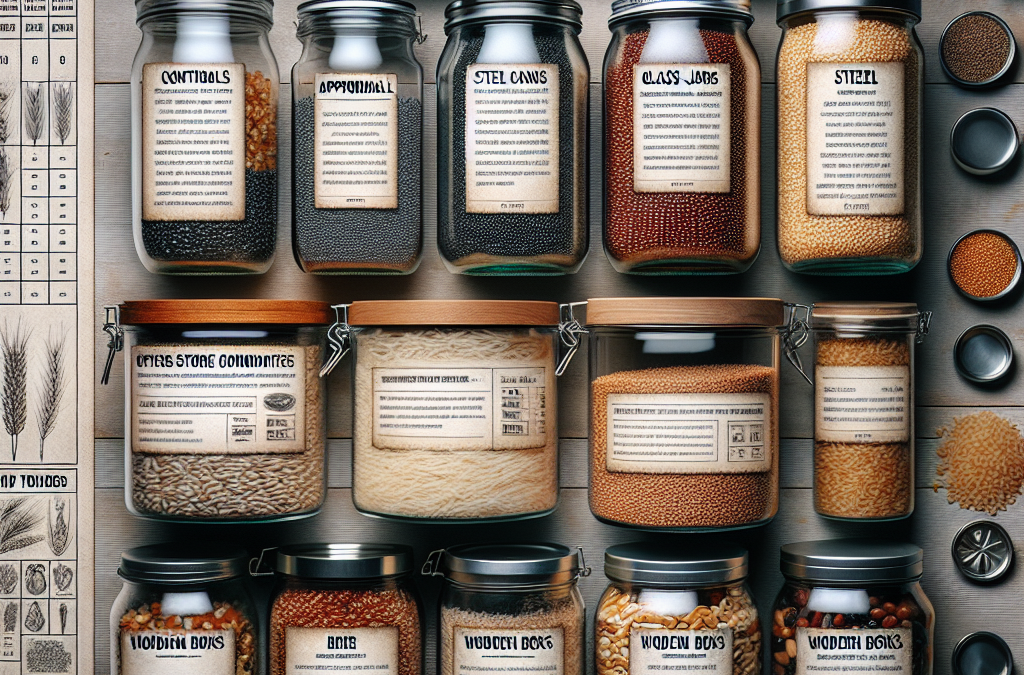
Choosing the right dry storage foods involves understanding their shelf life, nutritional content, and how to store them effectively. Common mistakes include neglecting to check expiration dates, improperly sealing containers, and failing to store foods in a cool, dark place. Prioritizing high-nutrient foods that provide essential vitamins and minerals is crucial for maintaining a balanced diet, especially during emergencies when fresh food may be scarce.
Additionally, many people overlook the importance of variety in their dry storage food selection. Relying solely on a few staples can lead to meal fatigue and inadequate nutrition. Therefore, incorporating a mix of grains, legumes, and dehydrated fruits and vegetables can enhance your overall food storage strategy.
Choosing the Right Grains for Dry Storage
When selecting grains for dry storage, options like rice, quinoa, and oats are excellent choices due to their long shelf lives and versatility in cooking. These grains can be used in various dishes, providing a solid base for meals. Additionally, they are rich in carbohydrates, which are essential for energy.
Prioritize whole grains for their higher nutritional value compared to refined grains. Whole grains retain more fiber, vitamins, and minerals, which can help maintain a balanced diet. However, be cautious of moisture and pests, which can compromise the quality of stored grains. Using airtight containers and keeping them in a cool, dry place can mitigate these risks.
Another common mistake is failing to rotate your grain supply. Regularly consuming older grains while replenishing your stock with newer purchases ensures that you avoid spoilage and maintain freshness. Aim to create a system that allows for easy access to older items first.
The Importance of Legumes in Your Food Supply
Legumes, such as lentils, beans, and chickpeas, are essential components of a well-rounded dry storage food plan. They are high in protein, fiber, and essential nutrients, making them a great substitute for meat in many dishes. Their long shelf life allows for flexibility in meal planning and food preparation.
Incorporating a variety of legumes can enhance the nutritional profile of your meals. Different legumes provide different nutrients, so consider storing a mix to cover a broader range of dietary needs. Be aware that some legumes require soaking or longer cooking times, so planning meals accordingly can save time and ensure proper preparation.
One common oversight is underestimating the importance of proper cooking techniques. Many people fail to cook dried legumes adequately, leading to digestive discomfort. Familiarizing yourself with soaking and cooking methods can prevent these issues and ensure you maximize the benefits of legumes in your diet.
Utilizing Dehydrated Fruits and Vegetables
Dehydrated fruits and vegetables offer a convenient and nutritious option for dry storage. They can be used in various recipes, from snacks to main dishes, and provide essential vitamins and minerals. Options like dried apples, berries, and carrots can add flavor and nutrition to your meals.
When selecting dehydrated products, opt for those without added sugars or preservatives. These can compromise the health benefits and alter the taste of your meals. Additionally, consider the rehydration process required for these foods, as some may need soaking or cooking before consumption.
A common mistake is neglecting to store dehydrated foods properly. Exposure to air and moisture can lead to spoilage, so ensure they are kept in airtight containers and stored in a dark, cool environment. Regularly check your stock for signs of spoilage, such as off smells or changes in texture.
Get Whole Wheat Flour, Grains and Milling Supplies – CLICK HERE

Storage Techniques to Maximize Shelf Life
Effective storage techniques are crucial for maximizing the shelf life of your dry food supplies. Begin by selecting appropriate containers, such as glass jars, Mylar bags, or food-grade plastic containers, that can keep out moisture and pests. Proper sealing methods, like vacuum sealing, can further enhance preservation.
Consider the environment in which you store these foods. A cool, dark, and dry location is ideal for preventing spoilage and maintaining quality. Avoid areas with fluctuating temperatures, such as near ovens or windows, as these can accelerate degradation.
Regularly monitoring your food supply and rotating stock can help ensure freshness. Create a system that allows you to use older items first while replenishing your supplies with newer purchases. This practice not only helps maintain quality but also fosters a more organized storage system.
Further Reading
For those looking to deepen their understanding of dry storage food ideas, consider exploring resources from reputable sources. The USDA provides guidelines on food storage safety, while academic journals often publish research on the nutritional aspects of various food storage methods.
Authoritative Sources
- USDA Food Safety and Inspection Service
fsis.usda.govThis resource offers comprehensive guidelines on food safety, including storage practices for various food types
Frequently Asked Questions
What are the best dry storage foods to have on hand?
The best dry storage foods include grains like rice and quinoa, legumes such as beans and lentils, and dehydrated fruits and vegetables. These items provide essential nutrients and have long shelf lives.
How long can dry foods be stored safely?
Most dry foods can be stored safely for several years if kept in a cool, dark, and dry environment. Proper sealing in airtight containers can further extend their shelf life.
What is the best way to store grains?
Grains should be stored in airtight containers in a cool, dark place. Vacuum sealing can help preserve their freshness and prevent pest infestations.
Can I freeze dry foods for longer storage?
Yes, freezing can extend the shelf life of certain dry foods, especially fruits and vegetables. Ensure they are sealed properly to prevent freezer burn.
What common mistakes should I avoid when storing dry foods?
Avoid storing dry foods in humid or warm areas, neglecting to check for pests, and failing to rotate your stock. Regularly inspect your supplies for spoilage.
Conclusion
Incorporating a variety of dry storage food ideas into your pantry can significantly enhance your meal planning and preparedness strategy. Focus on high-quality grains, legumes, and dehydrated fruits and vegetables to ensure a balanced diet. Proper storage techniques are crucial for maximizing shelf life and maintaining food quality. By prioritizing a diverse selection and implementing effective storage practices, you can create a reliable food supply that meets your nutritional needs during emergencies or everyday cooking.
Get Whole Wheat Flour, Grains and Milling Supplies – CLICK HERE
Related Content
- What is preparation or prepping? A brief breakdown.
- Best Storage for Whole Grains: Essential Containers and Techniques for Maximum Freshness
- Grain Storage for Family Preparedness: Essential Methods for Long-Term Viability
- How to Maintain Grain Freshness in Changing Climates: Essential Methods for Optimal Preservation
- Cold Weather Idea: Season the Cast Iron
Auto Amazon Links: No products found.