Understanding the practical implications of these storage ideas can lead to better preparedness during emergencies or daily life. Many individuals overlook the importance of efficient storage when prepping, often leading to clutter and wasted resources. Utilizing vertical space, labeling containers, and creating a clear inventory system can significantly enhance your storage capabilities and ensure that you can access your supplies quickly.
A common mistake in prepping is failing to adapt storage solutions to your specific needs. Not all storage methods will suit every type of item or space. For instance, bulk items may require different storage than perishables. It’s crucial to evaluate your supplies and tailor your storage methods accordingly, ensuring maximum efficiency and ease of use.
Utilizing Vertical Space for Storage
Maximizing vertical space is a foundational concept in prepping storage. Utilizing shelves, wall-mounted racks, and hooks can free up floor space while keeping essential items easily accessible. This method allows for better organization and enhances your ability to find supplies quickly during emergencies.
When implementing vertical storage, consider the weight and size of items. Heavier items should be placed on lower shelves to prevent accidents, while lighter, less frequently used items can go higher. Additionally, ensure that shelves are securely mounted to avoid any safety hazards.
A common oversight is underestimating the potential of vertical space. Many people limit their storage to horizontal surfaces, which leads to clutter. Investing in tall shelving units or wall organizers can significantly increase your storage capacity without requiring additional floor space.
Creative Container Solutions
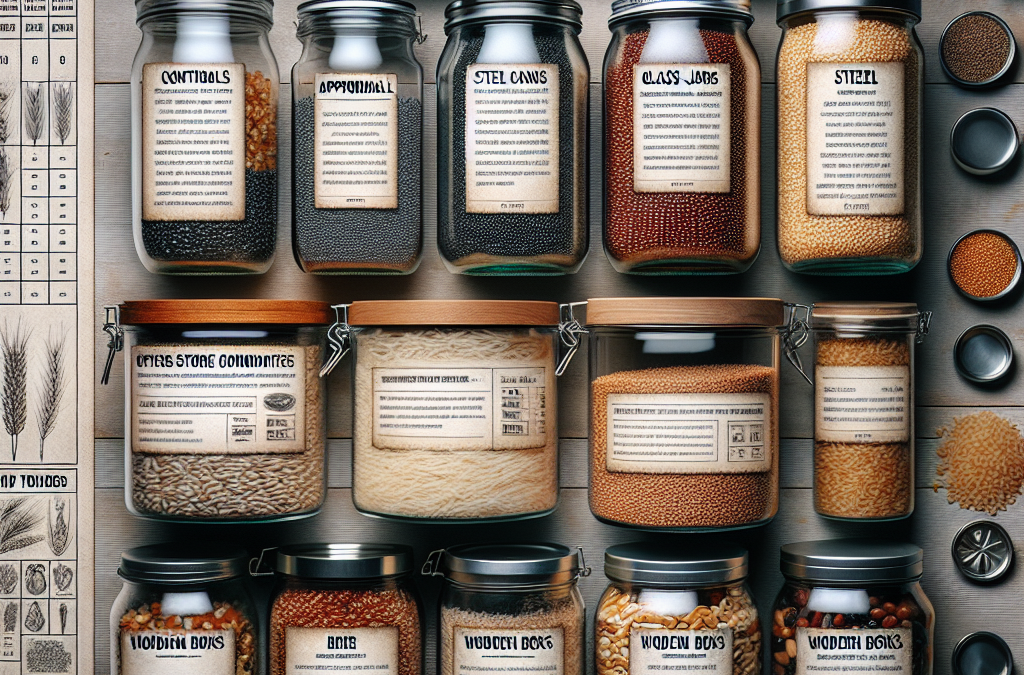
Choosing the right containers is essential for effective storage. Containers should be durable, stackable, and clearly labeled to facilitate easy access and organization. Transparent containers can help you quickly identify contents, while opaque options are great for protecting sensitive items from light.
Prioritize materials that suit your storage environment. For example, airtight containers are ideal for food storage to protect against pests and moisture, while sturdy plastic bins are excellent for organizing tools or equipment. Consider the stacking potential of your containers to maximize vertical space.
A common mistake is using mismatched or inadequate containers, which can lead to wasted space and accessibility issues. Investing in a cohesive set of containers can enhance organization and make it easier to maintain your prepping storage system.
Vacuum-Sealing for Long-Term Preservation
Vacuum-sealing is a highly effective method for preserving food and other items long-term. This technique removes air from packaging, significantly extending the shelf life of perishable goods and preventing freezer burn. Incorporating vacuum-sealed items into your prepping storage ensures that you have access to fresh supplies even in emergencies.
When vacuum-sealing, consider portion sizes to prevent waste. Sealing smaller portions allows for easier thawing and usage, ensuring that you utilize your supplies effectively. Additionally, label vacuum-sealed bags with dates and contents for better organization.
Get Whole Wheat Flour, Grains and Milling Supplies – CLICK HERE

A typical mistake is overpacking vacuum-sealed bags, which can lead to compromised seals. Always leave adequate space for sealing and ensure that bags are free of moisture before sealing to maintain integrity.
Repurposing Household Items
Repurposing everyday household items can provide innovative storage solutions without additional costs. For instance, old jars can serve as storage for small items like screws or seeds, while unused furniture can be transformed into functional storage spaces.
Consider the versatility of common items. An old ladder can be turned into a unique shelving unit, while crates can be stacked for modular storage. This not only saves money but also promotes creativity in organizing your space.
A frequent oversight is disregarding the potential of items that might otherwise be thrown away. Assessing what you already own can lead to cost-effective and eco-friendly storage solutions that fit your prepping needs.
Further Reading
Authoritative Sources
- Ready.gov
ready.govThis government resource provides comprehensive information on emergency preparedness and storage solutions
- FEMA
fema.govFEMA offers guidelines for effective emergency preparedness, including storage strategies
Frequently Asked Questions
What are the best containers for prepping storage?
Durable, stackable containers that are airtight for food and sturdy plastic for tools are ideal.
How can I maximize vertical storage space?
Use shelves, wall-mounted racks, and hooks to utilize vertical space effectively.
What is vacuum-sealing and why is it important?
Vacuum-sealing removes air from packaging, extending the shelf life of perishable items.
How can I repurpose household items for storage?
Old jars, crates, and unused furniture can be creatively transformed into functional storage solutions.
What mistakes should I avoid when prepping storage?
Avoid using mismatched containers and overpacking vacuum-sealed bags, as both can lead to inefficiency.
Get Whole Wheat Flour, Grains and Milling Supplies – CLICK HERE
Related Content
Auto Amazon Links: No products found.