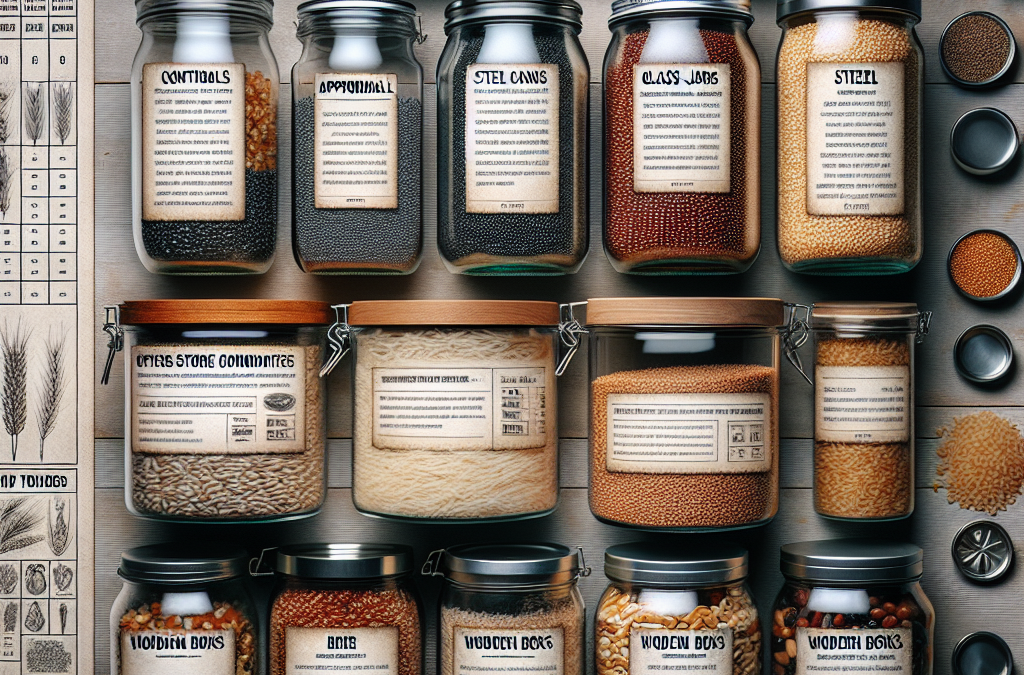
Food storage bins for dry grains are vital for maintaining the freshness and quality of grains like rice, wheat, and oats. Choosing the right material, such as food-grade plastic or glass, is essential for durability and safety, as these options help prevent contamination. Additionally, selecting an appropriate size is crucial; bins should match your storage volume and usage frequency to avoid spoilage. A common error is opting for bins that are too large, which can lead to moisture accumulation and grain deterioration. Proper ventilation is also necessary to keep grains dry and extend their shelf life.
Understanding Material Choices for Grain Bins
The material used for food storage bins for dry grains significantly impacts the longevity and safety of the stored products. Common materials include food-grade plastics, glass, and metal. Food-grade plastic is lightweight, durable, and resistant to moisture, making it a popular choice. However, it’s essential to ensure that the plastic is free from BPA and other harmful chemicals.
Glass containers offer a non-reactive option that does not leach chemicals, which is ideal for long-term storage. Metal bins, while robust, can be prone to rust and may not provide the same airtight seal as plastic or glass. Understanding these options helps consumers make informed decisions based on their specific storage needs and preferences.
Optimal Sizing for Different Grain Types
Choosing the right size for food storage bins for dry grains is crucial for maintaining the quality of the grains. Small bins are suitable for frequently used grains like rice or oats, allowing for easy access and minimal waste. Larger bins work better for bulk storage, such as wheat or corn, where the volume justifies the size.
When selecting a size, consider the amount of grain you typically store and how often you will access it. A common mistake is to choose a bin that is too large, which can lead to spoilage if the grains are not used quickly enough. Therefore, balancing size with usage frequency is vital for effective grain storage.
Ventilation and Moisture Control
Proper ventilation and moisture control are essential components in storing dry grains effectively. Food storage bins for dry grains should ideally be airtight to prevent moisture ingress, which can promote mold growth and spoilage. However, some bins include ventilation features that allow airflow without compromising the seal.
Monitoring humidity levels in the storage area is also important. Using desiccants or moisture absorbers can help keep the environment dry. Regular checks for signs of moisture or pests can prevent larger issues, ensuring that grains remain fresh and safe for consumption.
Common Mistakes in Grain Storage
Many individuals make common mistakes food storage bins for dry grains that can lead to spoilage and waste. One frequent error is not sealing bins tightly, which allows air and moisture to enter. Choosing inappropriate materials that do not offer adequate protection can also compromise grain quality.
Another mistake is failing to label bins clearly, leading to confusion about the contents and their age. Ultimately, understanding these pitfalls can help consumers implement better storage practices, maximizing the shelf life and quality of their dry grains.
Get Whole Wheat Flour, Grains and Milling Supplies – CLICK HERE

Frequently Asked Questions
What types of materials are best for grain storage bins?
Food-grade plastic, glass, and metal are common materials, with plastic being lightweight and durable, glass being non-reactive, and metal offering strength but potential rust issues.
How do I determine the right size for my grain storage bin?
The right size depends on the type and amount of grain you store and how often you access it; smaller bins are best for frequently used grains.
How can I control moisture in grain storage?
Using airtight bins, desiccants, and monitoring humidity levels can help control moisture and prevent spoilage.
What are some common mistakes in grain storage?
Common mistakes include not sealing bins tightly, using inappropriate materials, and failing to label bins clearly.
Can I use regular plastic containers for grain storage?
Regular plastic containers may not be food-grade and could leach harmful chemicals; always ensure containers are specifically designed for food storage.
Conclusion
Understanding the importance of food storage bins for dry grains is crucial for maintaining grain quality and safety. Selecting the right materials and sizes, ensuring proper ventilation, and avoiding common mistakes can significantly enhance the effectiveness of your grain storage practices. By implementing these strategies, you can maximize the shelf life of your grains and ensure they remain fresh and safe for consumption.
Get Whole Wheat Flour, Grains and Milling Supplies – CLICK HERE
Auto Amazon Links: No products found.