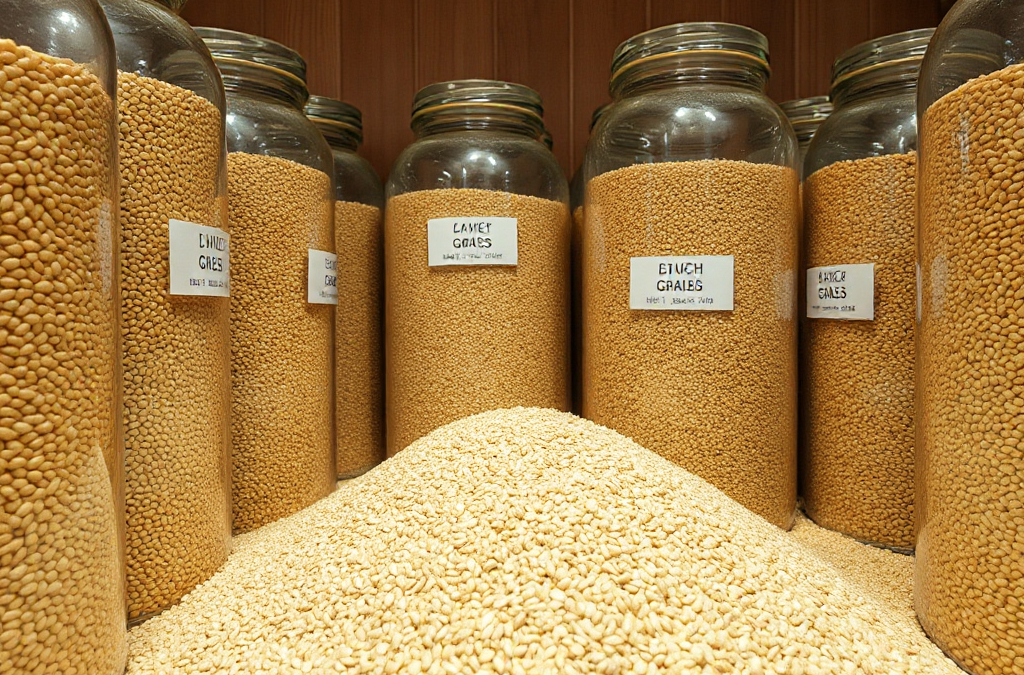
The importance of labeling stored grains lies in ensuring proper identification, tracking, and quality control of different grain types. Effective labeling helps prevent mix-ups, facilitates inventory management, and ensures that grains are used within their optimal shelf life. Without clear labels, risks of contamination and spoilage increase, leading to potential financial losses and food safety concerns. Implementing a systematic labeling approach can significantly enhance operational efficiency in grain storage facilities.
Understanding the Role of Labels in Grain Storage
Labeling stored grains is essential for effective management and quality assurance. Proper labels provide crucial information about the type, variety, and storage conditions of the grains, which is vital for inventory tracking and ensuring grain quality. Without labels, the risks of misidentification and contamination increase, leading to potential food safety issues and financial losses.
In grain storage facilities, labels serve multiple purposes. They assist in maintaining accurate inventory records, facilitate the rotation of stock, and ensure that grains are used within their optimal shelf life. For example, labeling can indicate the harvest date, which is crucial for determining freshness and usability.
Moreover, effective labeling can streamline operations. When workers can quickly identify the contents of a storage bin or silo, it reduces the time spent searching for specific grains, thereby increasing efficiency in grain handling and distribution.
Common Mistakes in Labeling Practices
Despite the clear benefits of labeling, many grain storage facilities overlook essential practices that can lead to significant operational challenges. One common mistake is using vague or non-specific labels. Labels that simply state “grains” without any additional details do not provide enough information for effective management.
Another frequent error is the failure to update labels as conditions change. For instance, if grains are treated with preservatives or moved to a different storage location, the labels should be updated to reflect the current status. Not doing so can lead to confusion and potential mishandling of the grains.
Additionally, using poor-quality materials for labels can result in fading or illegibility over time. Labels that cannot be read can severely hinder inventory management and compromise food safety.
Best Practices for Effective Grain Labeling
To improve labeling practices, grain storage facilities should implement a systematic approach. First, it’s essential to use durable, weather-resistant materials for labels to ensure longevity and readability. This is particularly important in environments where moisture and temperature fluctuations can affect label integrity.
Second, labels should contain specific information such as grain type, harvest date, treatment applied, and any relevant safety information. This level of detail helps ensure that anyone handling the grains can make informed decisions.
Third, establishing a routine for reviewing and updating labels can help maintain accuracy. Regular audits of stored grains can identify any discrepancies in labeling, allowing for timely corrections.
To wrap up, training staff on the importance of labeling and how to properly label grains can foster a culture of quality control and accountability within the facility.
The Impact of Labeling on Quality and Safety
The implications of inadequate labeling extend beyond operational inefficiencies; they can also affect grain quality and safety. Proper labeling is critical in preventing cross-contamination between different grain types, especially in facilities that handle various products.
Get Whole Wheat Flour, Grains and Milling Supplies – CLICK HERE

Moreover, labeling can play a significant role in food safety compliance. Regulatory bodies often require detailed records of grain handling and storage practices. Accurate labels can help ensure that facilities meet these requirements, thereby avoiding potential fines and legal issues.
It’s also worth noting that consumers are increasingly concerned about the origins and handling of their food. Clear, informative labeling can enhance consumer confidence and trust in products, ultimately benefiting the brand and business.
Frequently Asked Questions
Why is labeling important for stored grains?
Labeling is essential for identifying grain types, tracking inventory, and ensuring quality control, helping prevent contamination and spoilage.
What information should be included on grain labels?
Labels should include grain type, harvest date, treatment applied, and any relevant safety information to ensure proper handling and usage.
How can poor labeling practices affect grain quality?
Poor labeling can lead to misidentification, contamination, and spoilage, risking financial losses and food safety issues.
What are common mistakes in labeling stored grains?
Common mistakes include vague labels, failure to update labels, and using poor-quality materials that can fade or become illegible.
How often should labels be reviewed and updated?
Labels should be reviewed regularly, ideally during routine inventory audits, to ensure accuracy and maintain effective grain management.
Further Reading
Authoritative Sources
- Managing stored grain to minimize storage losses
extension.umn.eduRegularly check stored grain for temperature, moisture, insects and molds. ... Inspect stored grain every seven to 14 days when either outdoor or grain ...
- Grain storage systems and effects of moisture, temperature ...
sciencedirect.comGrain storage systems are essential for obtaining good quality grains which are safe for consumption. Therefore, correct management of grains with simple ...
- Grain preservation and raw material quality | Selko
selko.comThe three factors that impact grain quality management: supply chain, contamination, and storage management. Significant amounts of losses occur across the ...
- Post Harvest Grain Storage Management - Bayer Crop Science
cropscience.bayer.usStored grain should be checked routinely for changes in surface conditions, temperature, grain condition, insects, and smells.