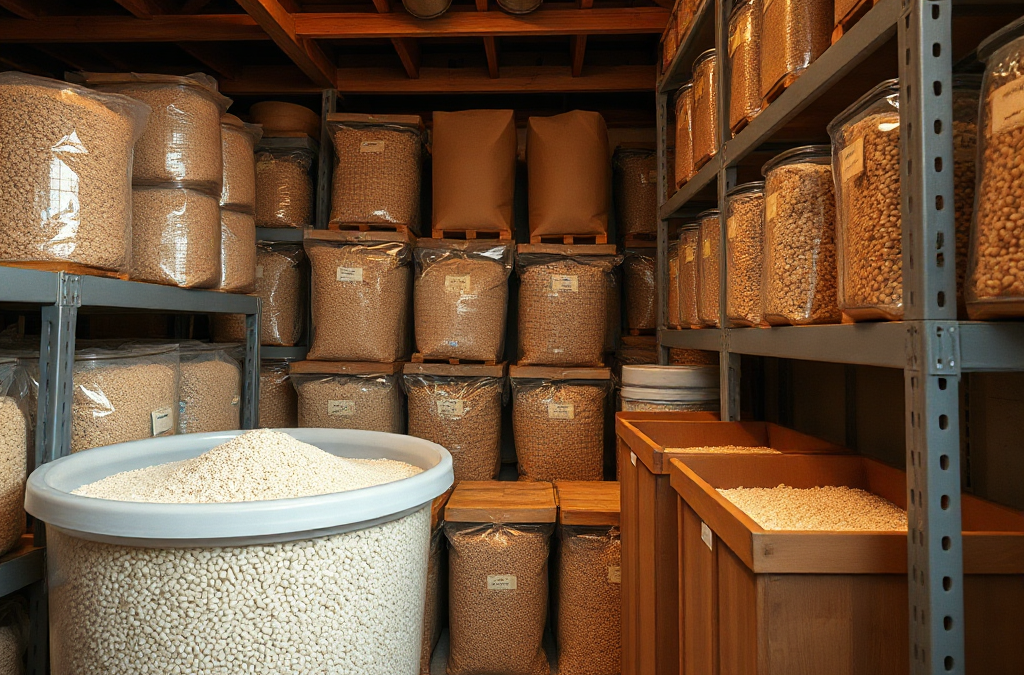
Effective strategies for organizing grain storage areas include implementing a systematic layout, utilizing clear labeling, and maintaining optimal environmental conditions. A systematic layout ensures easy access and maximizes space efficiency, while clear labeling helps prevent confusion during inventory checks. Additionally, monitoring temperature and humidity levels protects grain quality and minimizes spoilage risks, making these strategies essential for successful grain management.
Understanding the Importance of Organization
Organizing grain storage areas is crucial for ensuring efficiency, safety, and quality preservation. A well-structured storage area reduces the risk of contamination, spoilage, and loss of product, while also streamlining inventory management. The need for effective organization becomes even more pressing in larger operations where multiple grain types are stored simultaneously. Without proper organization, it becomes challenging to track inventory levels, leading to waste and potential financial losses.
Moreover, a disorganized storage space can pose safety hazards, such as tripping hazards or unintentional mixing of incompatible grains. Thus, the primary goal of organizing grain storage areas is to create a functional space that promotes easy access, minimizes risks, and supports effective inventory control.
Designing the Layout for Efficiency
Designing an efficient layout for grain storage involves strategic planning to maximize space and accessibility. The layout should consider factors such as the type of grains stored, their quantities, and the frequency of access. Common layouts include linear, U-shaped, and circular designs, each offering distinct advantages depending on the storage environment.
A linear layout is ideal for long, narrow storage spaces, allowing for straightforward access to each grain type. Conversely, a U-shaped layout can facilitate better airflow and is beneficial for larger operations where cross-ventilation is necessary. Circular designs, while less common, can optimize space in areas with limited access.
Additionally, incorporating designated pathways for forklifts and personnel is essential for maintaining safety and efficiency. Clear pathways reduce the likelihood of accidents and ensure that grain can be moved quickly and effectively. Regularly reviewing and adjusting the layout as inventory levels change can further enhance the efficiency of grain storage operations.
Implementing Effective Labeling Systems
Effective labeling systems are integral to the organization of grain storage areas, facilitating quick identification and retrieval of products. Labels should be clear, consistent, and durable, able to withstand environmental conditions such as moisture and dust. Using color coding can further enhance the visibility of labels, allowing for immediate recognition of different grain types.
Labels should include essential information such as grain type, storage date, and expiration date, enabling better inventory management. Implementing a digital inventory tracking system can also complement physical labeling, providing real-time updates on stock levels and reducing the risk of overstocking or spoilage.
Common mistakes in labeling include using vague descriptions or placing labels in hard-to-see areas. To avoid these pitfalls, ensure that all labels are positioned at eye level and are easily accessible. Regular audits of labeling accuracy and condition can help maintain an organized storage area.
Maintaining Optimal Environmental Conditions
Maintaining optimal environmental conditions is critical for preserving the quality of stored grain. Factors such as temperature, humidity, and ventilation play significant roles in preventing spoilage and pest infestations. Ideally, grain should be stored in a cool, dry environment to minimize moisture content, which can lead to mold growth and deterioration.
Utilizing moisture control systems, such as dehumidifiers or ventilation fans, can help regulate humidity levels within storage areas. Additionally, regular monitoring of temperature and humidity can inform necessary adjustments to ensure ideal conditions are maintained. This proactive approach not only improves grain quality but also extends shelf life.
Common misconceptions about grain storage often revolve around the belief that any dry space is suitable for storage. However, without proper environmental controls, even seemingly dry areas can harbor conditions conducive to spoilage. Investing in climate control measures and monitoring tools is essential for long-term success in grain storage management.
Frequently Asked Questions
What is the best way to organize grain storage areas?
The best way to organize grain storage areas is by implementing a systematic layout, using clear labeling, and maintaining appropriate environmental conditions.
How can I improve air circulation in grain storage?
Improving air circulation can be achieved by using ventilation fans and ensuring that there are no obstructions in storage areas that might hinder airflow.
What are the risks of poor grain storage?
Poor grain storage can lead to spoilage, contamination, pest infestations, and financial losses due to decreased grain quality.
How often should I check grain storage conditions?
Grain storage conditions should be checked regularly, ideally every few weeks, to monitor temperature and humidity levels and to ensure proper ventilation.
What labeling methods are most effective for grain storage?
Effective labeling methods include using durable, visible labels with clear descriptions and color coding for quick identification of different grain types.
Further Reading
Authoritative Sources
- USDA Grain Storage Guidelines
usda.govThis resource provides comprehensive guidelines on best practices for grain storage management.
- Iowa State University Extension
extension.iastate.eduOffers research-based information on grain storage and handling methods.
- Grain Growers of Canada
grainscanada.gc.caProvides resources on grain quality management and storage solutions.
Conclusion
Effective organization of grain storage areas is vital for maintaining quality and efficiency in grain management. By designing a strategic layout, implementing clear labeling systems, and maintaining optimal environmental conditions, operators can significantly reduce risks associated with spoilage and contamination. Regular monitoring and adjustments will further enhance storage effectiveness, ensuring that grains remain viable for longer periods. Prioritizing these strategies is essential for maximizing both space and resource management in grain storage operations.
Get Whole Wheat Flour, Grains and Milling Supplies – CLICK HERE

Auto Amazon Links: No products found.
Further Reading
Authoritative Sources
- Efficient Pantry and Food Storage Organization for Small ...
thathomebirdlife.comMAXIMIZING SPACE. There are some great, inexpensive products out there that can really help you get the most out of your storage space. These ...
- Ten Tips for Planning an Efficient Grain System
grainsystems.comExpansion can be a good option if there's adequate space. Always include additional space in the layout of a new system to accommodate more ...
- Tips for Maximizing Agricultural Storage Building Space
lesterbuildings.comPlace frequently used tools and supplies in easily accessible locations, and store seasonal items in less prominent areas until you need them.
- Grain storage and protection
millermagazine.comThese techniques include exclusion strategies, proper grain cleaning, leveling of grain bulk, monitoring of storage conditions, aeration, ...