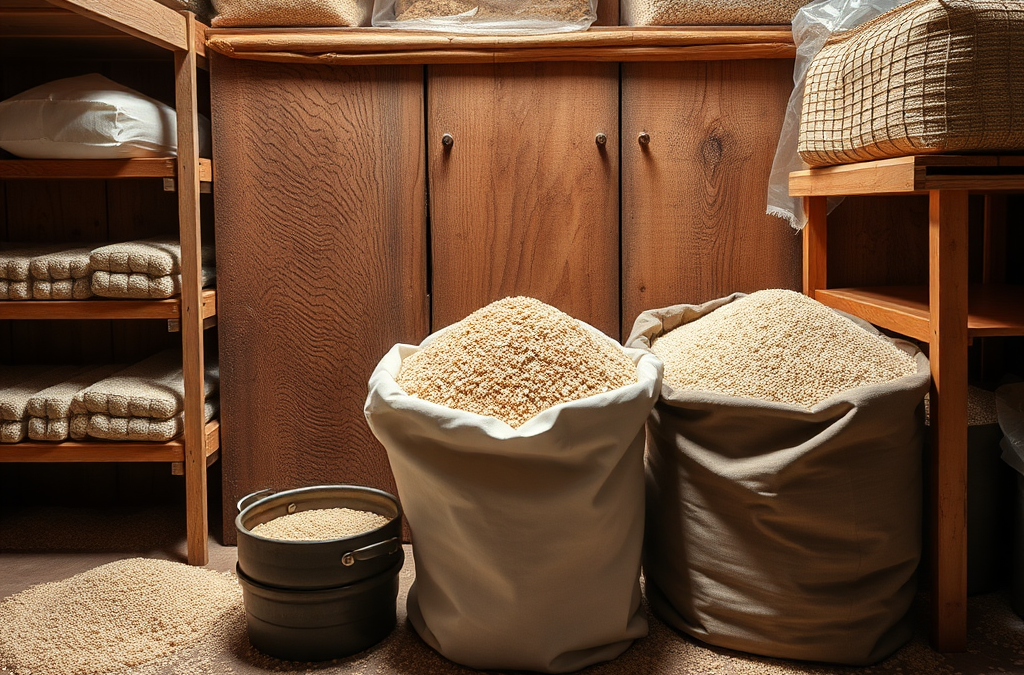
To maintain a clean grain storage area, implement a systematic cleaning routine that includes regular inspections and thorough cleaning of all surfaces. Remove dust, spilled grains, and debris, as these attract pests and promote mold growth. Use appropriate storage containers to safeguard grain quality and monitor environmental conditions like temperature and humidity. Additionally, ensure that grain handling equipment is cleaned frequently to prevent cross-contamination between batches. Prioritizing cleanliness not only protects the grain but also enhances operational efficiency and profitability.
Importance of Clean Grain Storage
Maintaining a clean grain storage area is vital for preserving the quality of stored grains and preventing spoilage. A clean environment minimizes the risk of pest infestations and mold growth, which can lead to significant losses. Grains stored in unhygienic conditions are more susceptible to contamination, affecting not only their quality but also their safety for consumption. For instance, moldy grains can produce mycotoxins, which pose health risks to both humans and livestock. Therefore, prioritizing cleanliness in grain storage is essential not only for economic reasons but also for health and food safety.
A clean grain storage area also enhances operational efficiency. When grains are stored in well-maintained facilities, it becomes easier to manage inventory and access products as needed. This efficiency can lead to better turnover rates and less waste, ultimately contributing to improved profitability.
Cleaning and Maintenance Practices
Establishing a regular cleaning routine is the cornerstone of maintaining a clean grain storage area. This routine should include thorough cleaning of floors, walls, and storage containers. Use a vacuum or broom to remove dust, debris, and spilled grains, as these can attract pests and create a breeding ground for mold. It’s important to schedule these cleanings during off-peak times to minimize disruption to operations.
In addition, inspect and clean grain handling equipment regularly. Residue from previous batches can contaminate new supplies, so machinery such as conveyors, elevators, and storage bins should be cleaned to prevent cross-contamination. Consider using food-safe cleaning agents to ensure that all surfaces are sanitized without leaving harmful residues.
Another critical aspect of maintenance is ensuring that storage areas are well-organized. Implementing a first-in, first-out (FIFO) system can help manage inventory better and reduce the chances of older stock becoming spoiled or degraded.
Pest Control Strategies
Pest control is a crucial element in maintaining a clean grain storage area. Common pests such as rodents and insects can cause extensive damage to stored grains and lead to contamination. To effectively manage pests, start by sealing any cracks or openings in the storage facility that could serve as entry points. Regular inspections should be conducted to identify any signs of pest activity.
Utilizing traps and monitoring devices can help keep track of pest populations. If an infestation is detected, it’s important to act quickly. This may involve consulting with pest control professionals to determine the best course of action. Avoiding the use of harmful pesticides near food products is crucial; instead, consider integrated pest management practices that focus on prevention and non-toxic methods.
Monitoring and Environmental Controls
To maintain a clean grain storage area, monitoring environmental conditions is just as important as regular cleaning. Temperature and humidity levels can significantly impact the quality of stored grains. Ideal storage conditions typically involve low humidity and stable temperatures. Invest in hygrometers and thermometers to keep track of these metrics regularly.
Ventilation is another key factor in maintaining a clean environment. Proper airflow helps prevent moisture buildup, which can lead to mold growth. Ensure that storage areas are well-ventilated, and consider using fans or dehumidifiers if necessary. This not only keeps the grain clean but also enhances its shelf life.
Get Whole Wheat Flour, Grains and Milling Supplies – CLICK HERE

Frequently Asked Questions
What is the best way to clean grain storage areas?
The best way to clean grain storage areas is to regularly sweep or vacuum surfaces, remove any spilled grains, and sanitize storage containers with food-safe cleaners.
How often should I inspect my grain storage?
Grain storage areas should be inspected at least monthly to monitor for pests, moisture levels, and overall cleanliness.
What are the signs of pest infestation in grain storage?
Signs of pest infestation include visible droppings, gnaw marks, webs, and unusual odors. Regular checks can help catch infestations early.
How can I prevent mold in grain storage?
Prevent mold by controlling humidity levels, ensuring good ventilation, and regularly cleaning storage areas to eliminate dust and debris.
Why is a clean grain storage area important?
A clean grain storage area is crucial for preventing spoilage, pest infestations, and contamination, which can affect both the quality and safety of the grains.
Conclusion
Maintaining a clean grain storage area is essential for ensuring the quality and safety of stored grains. By implementing regular cleaning practices, effective pest control strategies, and monitoring environmental conditions, you can significantly reduce the risk of spoilage and contamination. Prioritize these practices to enhance the efficiency of your operations and protect your investment in grain storage.
Get Whole Wheat Flour, Grains and Milling Supplies – CLICK HERE
Related Content
- Space-Efficient Grain Storage Techniques for Apartments
- Why Long-Term Grain Storage Is Essential for Preppers
- Grain Storage for Vegans: Ensuring Quality and Nutrition
- Understanding the Cost-Effectiveness of Bulk Grain Storage: Key Benefits, Challenges, and Strategies
- The Aesthetics of Whole Grain Storage
Auto Amazon Links: No products found.
Further Reading
Authoritative Sources
- Importance of Cleanliness and Hygiene in Grain Storage ...
agriculture.instituteLearn how to maintain grain storage hygiene: prevent pests, reduce losses, and ensure food safety with cleaning, aeration, and structural ...
- Grain in Storage Needs Proper Care - College News
news.mgcafe.uky.eduAeration and temperature control are two key factors in keeping grain in optimum condition reducing its chances of potential damage. Key ...
- A brief guide to preserving cereal quality during storage
feedandgrain.comPreserving cereal quality during storage requires managing moisture content to safe levels (12% or less), controlling temperature to slow ...
- Equipment, Bin Maintenance Important Steps Toward ...
cropwatch.unl.eduProper storage begins with the condition of the harvested grain, including moisture level and how it leaves the combine and then is transported and handled.