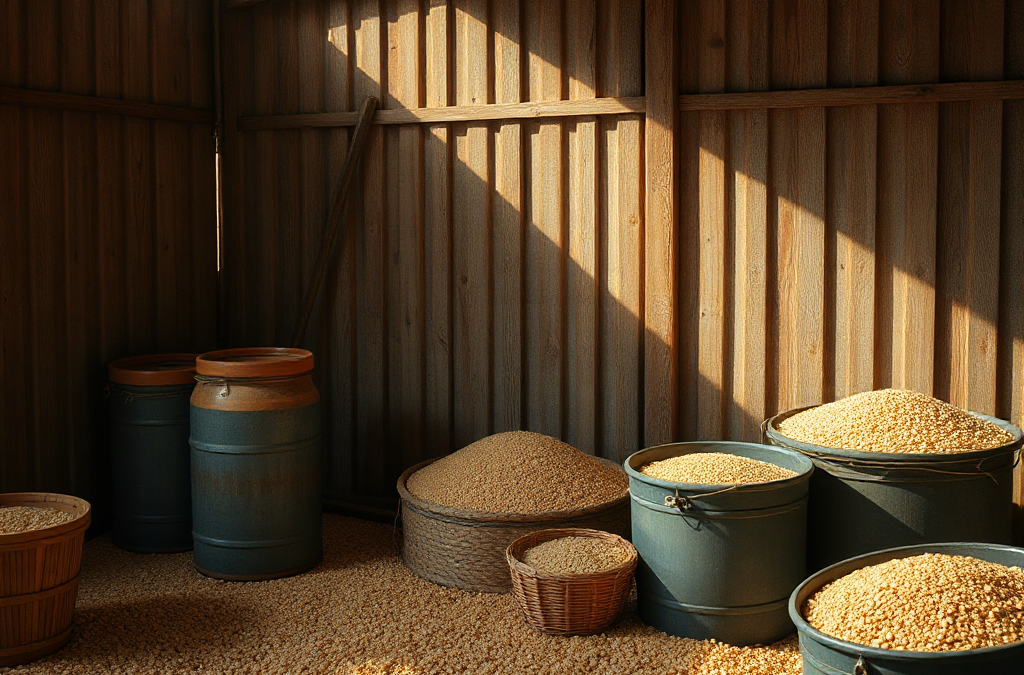
To identify the best grain storage location, prioritize factors like temperature control, humidity levels, and accessibility. A location should maintain a stable, cool environment to prevent spoilage, ideally situated away from direct sunlight and sources of moisture. Additionally, ensure the area is easily accessible for regular inspections and maintenance, reducing the risk of pest infestations and ensuring quick retrieval of stored grains.
Understanding the Importance of Grain Storage Location
Choosing the right grain storage location is crucial for maintaining the quality and safety of stored grains. A well-selected site can significantly reduce spoilage, pest infestation, and loss of nutritional value. This decision impacts not only the longevity of the grains but also the economic viability of grain production and storage operations. Proper storage conditions help preserve grain integrity, ensuring it remains suitable for consumption or sale.
Grains are susceptible to various environmental factors, including temperature fluctuations and humidity. If grains are stored in a location that does not control these variables effectively, it can lead to mold, spoilage, or infestations. Understanding these impacts is essential for anyone involved in grain storage.
Key Factors to Consider When Choosing a Location
Several critical factors should be evaluated when selecting a grain storage location:
- Temperature Control: Ideal grain storage temperatures generally range from 50°F to 70°F. Locations that can maintain these temperatures help prevent spoilage and pest activity.
- Humidity Levels: High humidity can lead to mold growth and deterioration of grain quality. A location with low humidity levels is preferable, as it minimizes moisture exposure.
- Accessibility: The storage site should be easily accessible for transportation and inspections. This facilitates quick responses to any issues that may arise, such as pest infestations or moisture accumulation.
- Protection from Elements: The site should be shielded from direct sunlight, rain, and wind, which can adversely affect grain quality. Structures like silos or warehouses can provide necessary protection.
- Distance from Contaminants: Ensure the storage area is located away from potential contaminants, such as livestock areas or chemical storage, which could compromise grain safety.
Each of these factors plays a role in maintaining grain quality and should be prioritized during the planning stage.
Common Mistakes in Grain Storage Location Selection
Many individuals and businesses make critical errors when selecting a grain storage location. Recognizing these common pitfalls can help avoid costly mistakes:
- Ignoring Environmental Conditions: Failing to assess local climate conditions can lead to unsuitable storage environments. For instance, locations with high humidity may not be appropriate without adequate climate control measures.
- Underestimating Accessibility Needs: Choosing a site that is difficult to access can hinder timely inspections and maintenance, increasing the risk of deterioration and pest problems.
- Neglecting Regular Maintenance: Even the best storage location can fail if not properly maintained. Regular checks for moisture and pests are essential to ensure ongoing grain quality.
- Overlooking Future Needs: Selecting a location based solely on current needs without considering future expansion or changes in grain types can limit operational flexibility.
Awareness of these mistakes will empower stakeholders to make informed decisions that safeguard their grain storage operations.
Practical Steps for Evaluating Potential Storage Locations
Evaluating potential grain storage locations involves several practical steps:
- Conduct a Site Assessment: Visit potential storage sites to evaluate environmental conditions, accessibility, and existing infrastructure.
- Analyze Climate Data: Review local climate data to understand average temperature and humidity levels throughout the year, ensuring they align with grain storage requirements.
- Check for Contaminants: Investigate nearby industries or agricultural practices that might introduce contaminants. Ensure that the location is zoned appropriately for agricultural storage.
- Plan for Maintenance: Develop a maintenance schedule that includes regular inspections and necessary interventions, such as pest control and moisture management.
- Consult with Experts: Engage with agricultural extension services or grain storage experts to gain insights and recommendations for optimal storage practices.
By following these steps, stakeholders can make informed decisions that enhance the effectiveness of their grain storage solutions.
Frequently Asked Questions
What is the ideal temperature range for grain storage?
The ideal temperature range for grain storage is typically between 50°F and 70°F to prevent spoilage and pest activity.
How can humidity affect grain quality?
High humidity can lead to mold growth and spoilage of grain, making it essential to store grains in low-humidity environments.
What are the common pests that affect grain storage?
Common pests include weevils, moths, and rodents, which can compromise the quality of stored grains if not managed effectively.
How often should grain storage facilities be inspected?
Grain storage facilities should be inspected regularly, ideally every few weeks, to monitor for moisture levels and pest infestations.
What should I do if I find mold in stored grains?
If mold is found in stored grains, it is crucial to remove the affected grains immediately and assess the storage conditions to prevent further contamination.
Conclusion
Identifying the best grain storage location hinges on understanding key environmental factors, avoiding common mistakes, and implementing practical evaluation steps. By prioritizing temperature control, humidity management, and accessibility, stakeholders can ensure the quality and safety of their stored grains. Regular maintenance and expert consultation further enhance the effectiveness of grain storage operations, safeguarding both the grains and the economic viability of storage practices.
Get Whole Wheat Flour, Grains and Milling Supplies – CLICK HERE

Auto Amazon Links: No products found.
Further Reading
Authoritative Sources
- 7 steps for proper grain storage
stineseed.comStep 1: Start clean. Step 2: Consider the desired shelf life of the stored grain. Avoid storing wet corn when possible. Proper drying is critical for quality ...
- Commercial Grain Storage Options — Deciding to Add ...
valleyviewagri.comA practical guide on choosing storage, planning expansion, and keeping people safe. Harvest time brings opportunity — and logistics headaches.
- Consider pros, cons of alternative grain storage methods
ndsu.eduSelect an elevated, well-drained site for the storage bags. Run the bags north and south so solar heating is similar on both sides. · Monitor the bags for damage ...
- Grain Storage Essentials: Best Practices and Innovations
weskangrain.comFactors such as the type of grain, its inherent moisture content, and how long it's anticipated to be in storage all play decisive roles.