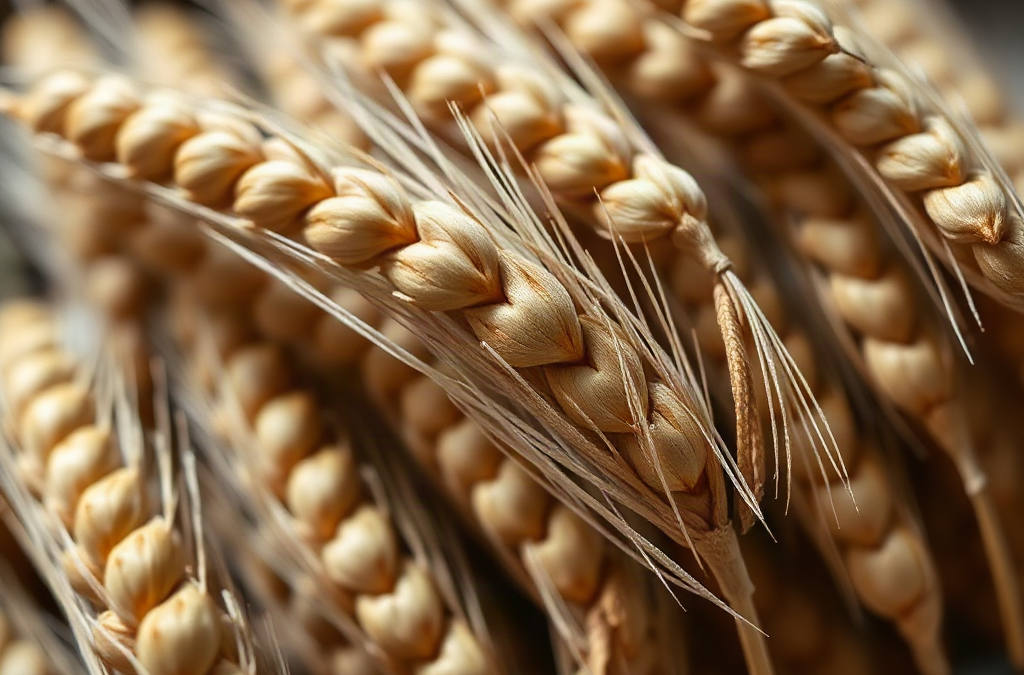
Stored wheat has likely gone rancid when the kernels or freshly milled flour smell like paint, crayons, bitter nuts, old cooking oil, or stale cardboard and produce a sharp, soapy, or bitter taste. Rancidity develops as oxygen breaks down oils concentrated in the wheat germ, with warmth, light, damaged kernels, and poor seals accelerating the process. Discoloration, damp clumps, insects, webbing, or visible mold indicate additional deterioration rather than rancidity alone. Inspect and smell a representative sample before milling, then test a small cooked portion only if no mold, moisture damage, or pest contamination is present.
What Rancid Wheat Smells and Tastes Like
Rancid wheat usually reveals itself through an abnormal oil-like odor before the kernels show an obvious visual change. Sound wheat has a mild, clean, slightly nutty or grassy aroma. Depending on variety and age, the scent may be faint enough that whole kernels appear almost odorless. Oxidized wheat oils produce a distinctly different impression: stale nuts, wax crayons, oil-based paint, putty, old frying oil, or dry cardboard.
The odor may be difficult to detect through a container opening because only the upper layer is being sampled. Remove wheat from the top, middle, and lower part of the container with a clean, dry scoop. Place each sample in a separate clean glass or bowl, let it reach room temperature, and smell it away from spices, fuels, cleaning products, or other strong odors. Warm a few kernels in your closed hand for a minute to release volatile compounds, but do not add water during the initial inspection.
Freshly grinding a small sample provides a stronger test because milling exposes the oil-rich germ and creates more surface area. Flour from acceptable wheat should smell pleasantly wheaty rather than greasy, chemical, sour, or musty. A stored lot can smell fairly neutral as intact kernels yet develop a conspicuous paint-like odor immediately after milling. That difference is particularly relevant when evaluating wheat intended for flour rather than cooked whole.
Taste is a secondary check, not the first safety screen. If the wheat is dry, free of pests, and shows no mold or suspicious staining, cook a very small portion in plain water or bake a small unsweetened test piece from freshly milled flour. Rancid wheat may taste bitter, sharp, soapy, waxy, or persistently stale. Sweeteners, fats, and strong seasonings can conceal these defects, so a flavored loaf is a poor test.
A common mistake is treating every unfamiliar grain odor as rancidity. Wheat can absorb smells from paint, detergent, smoke, fuel, onions, or scented plastic without its oils necessarily being oxidized. Odor absorption still makes the grain unsuitable for normal food use when the contaminant is unknown or potentially hazardous. Compare the grain with a known-fresh sample if possible, and use the combined evidence from the container, kernels, milled flour, and storage history rather than relying on a single sniff. For a focused reference during inspection, keep the criteria in Signs stored wheat has gone rancid available beside the container.
Rancidity Versus Mold, Moisture, and Pest Damage
Rancidity is chemical deterioration of fat, whereas mold, damp heating, and insect activity are separate problems that can occur at the same time. Wheat germ contains natural oils that react with oxygen and form unpleasant-smelling and bitter compounds. That process can reduce eating quality without creating fuzzy growth, wet kernels, or obvious color changes. A clean-looking kernel is therefore not proof that its flavor remains sound.
Mold damage more often produces a musty, earthy, cellar-like, or fermented odor. Look for white, green, blue, gray, or black growth; unusual darkening; kernels stuck in damp masses; condensation; or a powdery coating that is not normal field dust. Do not smell deeply inside a visibly moldy container, because disturbing grain can release dust and spores. Moldy wheat should not be tasted, rinsed for consumption, or blended with good grain. Removing visibly affected kernels does not establish that the remainder is safe.
Moisture migration can create a localized problem even when most of a large lot appears normal. For example, wheat stored against a cool basement wall may develop condensation near one side of the container while the center remains loose and dry. A hand inserted into bulk grain may reveal an unexpectedly warm zone, crust, or clump. Heating and caking deserve immediate attention because biological activity can progress below the visible surface.
Insect evidence includes live or dead beetles, moths, larvae, shed skins, fine powder, bored kernels, and silk-like webbing. Insects do not automatically mean the oils are rancid, but feeding damages kernels and exposes internal components to oxygen. Heavy activity can also introduce unpleasant odors and moisture. Freezing or sifting may control certain infestations, yet neither step reverses oxidation or makes mold-damaged grain acceptable.
Kernel damage from rough handling or milling changes the time scale. Intact berries protect their oils better than cracked wheat, rolled wheat, or whole-wheat flour. Flour can deteriorate much sooner because oxygen reaches the germ oils throughout the product. White flour behaves differently because much of the bran and germ has been removed, although it can still become stale, absorb odors, or suffer pest damage.
The weak assumption to avoid is that an unpleasant batch can be made acceptable by baking it thoroughly. Heat may kill some insects and microorganisms, but it does not reliably remove oxidized flavors, unknown chemical contamination, or every hazard associated with spoiled grain. When mustiness, visible growth, unexplained moisture, or chemical odors are present, disposal is a more defensible choice than a cooking experiment.
A Safe Inspection Checklist for Stored Wheat
A useful inspection moves from the container to the grain and only then to a limited preparation test. This sequence prevents tasting a sample that already shows disqualifying damage. Perform the check in good light with dry utensils, and keep questionable wheat separate from sound supplies so dust, insects, and odors do not spread.
- Inspect the location and container. Check for leaks, condensation, rust, gnawing, broken seals, warped lids, spilled grain, or strong nearby chemicals.
- Examine several depths. Sample the top, center, and bottom where practical. Look for clumps, staining, webbing, powder, insects, and kernels that appear swollen or unusually soft.
- Compare the aromas. Smell the intact grain and then a freshly cracked or milled sample. Note oily, paint-like, waxy, sour, musty, or chemical odors.
- Check physical condition. Dry wheat berries should generally be hard and separate rather than pliable, sticky, or matted together.
- Cook only a cleared sample. If no safety warning appears, prepare a small plain portion and reject it if bitterness, soapiness, or stale-oil flavor persists.
Sampling matters more as container size increases. A scoop from the surface cannot represent a bucket with hidden condensation at the bottom or a bin with a damp area near a wall. For a sealed emergency supply, opening the package sacrifices its original seal, but continued reliance on grain with a suspicious history is a larger risk. Inspect immediately if the package is swollen, punctured, wet, chewed, or giving off an odor through the closure.
Keep observations specific rather than recording only “good” or “bad.” Note the inspection date, packaging type, approximate storage temperature, seal condition, pest evidence, and odor after milling. A dated photograph of staining or clumping can help determine whether the problem is expanding. If several containers were packed from the same wheat at the same time, inspect more than one before deciding that the entire group shares the same condition.
A home moisture meter can add useful information when it is designed and calibrated for grain, but its reading does not determine rancidity. Moisture measurements help identify conditions favorable to mold, insects, or heating; they do not directly measure oxidized oil. Similarly, an oxygen absorber reduces oxygen in a properly sealed dry-food package but cannot repair wheat that was damp, infested, or already deteriorated when packed.
Get Whole Wheat Flour, Grains and Milling Supplies – CLICK HERE 
Dispose of the sample rather than tasting it when you find mold, damp clumps, rodent contamination, droppings, an unknown chemical smell, or evidence that floodwater entered the container. When only an uncertain stale odor is present, compare it with fresh wheat and repeat the milling test in clean equipment. Residue in a grain mill can itself smell rancid and falsely implicate a new batch, so clean the mill according to its instructions before drawing a final conclusion. The compact checks in Signs stored wheat has gone rancid can also be used when reviewing multiple containers from one lot.
Why Wheat Turns Rancid and What to Do Next
Oxygen, heat, time, light, and kernel damage determine how quickly wheat oils lose quality. The bran and germ make whole wheat nutritionally and culinarily distinct, but the germ also contains the oils most vulnerable to oxidation. Intact berries slow oxygen exposure. Cracking, rolling, or grinding removes much of that physical protection, which is why storing berries and milling smaller amounts as needed generally preserves flavor better than keeping large quantities of whole-wheat flour.
Warm storage accelerates deterioration and can encourage insects. A container in a temperature-stable interior space faces different conditions from one in a hot garage, sunlit shed, or attic. Repeated temperature swings can also promote condensation when humid air is present. Cool conditions help, but temperature alone cannot compensate for wet grain, an unreliable seal, or a container that transfers odors.
Packaging should match the intended storage period and environment. Food-grade containers protect wheat from physical contamination, while a sound moisture and oxygen barrier provides additional control for longer storage. A lid that keeps out mice is not necessarily an effective barrier to humid air, and a thin retail bag offers little protection from punctures or pantry insects. Oxygen absorbers are suitable only for adequately dry foods in compatible sealed packaging; they should not be treated as a remedy for questionable grain.
Once rancidity is established, repackaging, freezing, washing, or airing out the wheat will not restore the damaged oils. Grinding the grain more finely may actually make the odor and bitterness easier to detect. Mixing it with fresh flour merely spreads the defect and makes it harder to judge the good supply. Composting may be an option for rancid but otherwise uncontaminated grain where local practices allow, although moldy, chemically contaminated, or rodent-fouled wheat calls for more cautious disposal.
For wheat that passes inspection, correct the weakness that prompted the check. Move sound sealed containers away from heat, sunlight, concrete floors, water lines, solvents, and strongly scented products. Date each package and use older lots first. Open one container at a time, protect the working supply from humidity, and mill quantities that can be used while their flavor remains fresh. Periodic inspection should focus on damaged seals, temperature changes, pest activity, and water exposure rather than repeatedly opening every intact package.
A common failure is extending storage by calendar alone. Package age provides context, but it cannot reveal whether the grain began dry, experienced a hot summer, developed a pinhole, or absorbed odors after a spill. Condition-based decisions are more reliable: examine representative samples, distinguish oxidation from biological spoilage, and discard wheat when the evidence remains ambiguous. Use Signs stored wheat has gone rancid as a decision aid, not as permission to taste grain that has already failed a visual or contamination check.
Frequently Asked Questions
Can whole wheat berries become rancid?
Yes. Intact berries deteriorate more slowly than cracked wheat or whole-wheat flour, but oxygen can still oxidize oils in the germ, especially during warm or poorly sealed storage.
What does rancid wheat smell like?
Descriptions commonly include old cooking oil, paint, crayons, putty, bitter nuts, or stale cardboard. Milling a small sample often makes the abnormal oily odor easier to detect.
Is musty wheat the same as rancid wheat?
No. Mustiness more strongly suggests moisture or mold, while rancidity produces stale-oil or waxy odors. Because both can occur together, musty wheat should not be tasted.
Can rancid wheat be made usable by cooking?
Cooking does not reverse oxidized oils or reliably remove contamination. Do not blend suspect wheat with fresh grain to conceal its flavor.
Should old wheat be discarded based only on age?
Age alone is not decisive. Packaging, temperature, moisture, kernel condition, pests, and odor matter more, although an uncertain history warrants a stricter inspection.
Conclusion
Treat odor after milling as a valuable quality check, but never let a taste test override visible evidence of moisture, mold, pests, or contamination. Examine representative samples from different parts of the container, compare them with fresh wheat when possible, and separate oily oxidation odors from musty or chemical smells. Wheat that remains bitter, waxy, paint-like, or otherwise questionable should not be mixed into a sound supply.
For acceptable grain, improve the conditions that placed it at risk: reduce heat exposure, maintain intact food-grade barriers, keep packages away from water and strong odors, and rotate dated lots. Store berries intact when practical and mill manageable quantities for use. When the history is unknown or warning signs conflict, discarding the affected wheat is safer than trying to rescue it through washing, freezing, or baking.
Get Whole Wheat Flour, Grains and Milling Supplies – CLICK HERE
Related Content
- The Ultimate Guide to 10 Effective long term flour storage solutions for 2025
- How to Maximize Grain Storage Efficiency: Key Techniques and Common Mistakes
- Storage Bins for Wheat and Rice: Essential Features for Effective Preservation
- The Historical Significance of Grains in Global Cuisines
- Eathquake in VA had a big reach!
Auto Amazon Links: No products found.