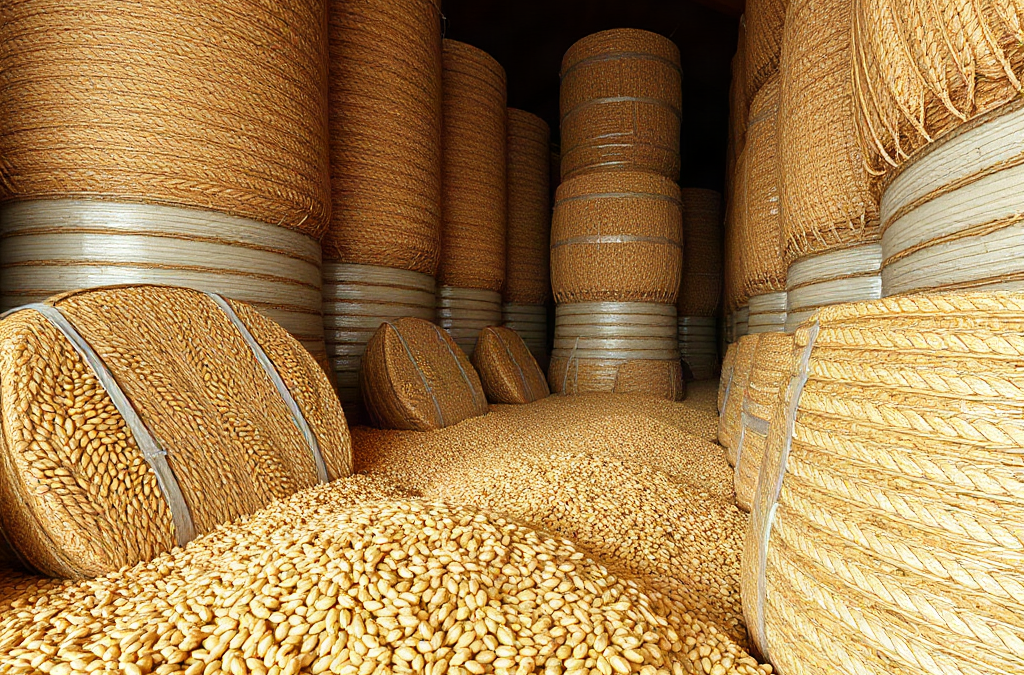
Grain storage odors that signal contamination include musty mold, sour fermentation, rancid oil, ammonia, petroleum-like chemicals, and persistent smoke or pesticide smells. These odors may develop when moisture supports fungal growth, damaged kernels oxidize, pests or rodents contaminate a container, or grain absorbs volatile compounds stored nearby. Isolate the affected lot, avoid tasting it or inhaling deeply, and check for condensation, clumping, discoloration, insects, damaged packaging, and an identifiable chemical source. A normal smell does not prove safety because some molds and toxins produce no obvious odor; uncertain grain should be discarded or evaluated by a qualified laboratory rather than blended with sound grain.
What Should Properly Stored Grain Smell Like?
Sound dry grain normally has a mild aroma associated with the grain itself, not a forceful smell that fills the room when a container is opened. Wheat may smell faintly earthy or straw-like, oats can have a light cereal aroma, and brown rice may have a subtle nutty character. Differences among grain types are expected, but damp-basement, vinegar, paint, fuel, ammonia, or stale-oil notes are not normal storage characteristics.
The baseline matters because odor judgments are comparative. Freshly opened grain should be compared with a known-good lot of the same type, preferably from different packaging. Comparing brown rice with white rice, or whole oats with polished grain, can mislead the inspector because bran and germ contain oils that create naturally stronger aromas. Temperature matters too: a warm sample releases more volatile compounds than a cold one. Allowing sealed samples to reach the same room temperature makes the comparison more meaningful without requiring prolonged sniffing.
Odor becomes concerning when it is new, persistent, localized to one package, or accompanied by physical change. A bucket that smells neutral on the outside but musty beneath its lid suggests an internal moisture problem. Conversely, several intact packages that all smell like solvent only in one cabinet may have absorbed vapors from paint, fuel, cleaners, or pesticides stored nearby. The packaging environment can therefore be as relevant as the grain itself.
A weak assumption is that an acceptable smell confirms an acceptable product. Odor is a screening clue, not a complete safety test. Fungal contamination can be uneven within a container, and some harmful compounds have no reliable smell. Grain may also look and smell ordinary after exposure to pests or unsuitable chemicals. Use odor to trigger closer inspection, but never use the absence of odor as the sole reason to approve a questionable lot.
Establish a useful baseline when grain first enters storage. Note its normal aroma, packaging condition, purchase or packing date, and storage location. During later checks, a change from that baseline is more informative than trying to decide whether an unfamiliar smell fits a broad description. The common failure is waiting until an odor becomes overwhelming; subtle change paired with condensation or caking already warrants isolation.
Which Odors Point to Moisture, Mold, or Oxidation?
Musty, sour, and rancid odors usually point to different deterioration pathways, although more than one can occur in the same container. Moisture migration, temperature changes, kernel damage, and oxygen exposure determine which smell appears first. Identifying the odor family helps direct the inspection, but it does not identify a specific organism or prove that the unaffected-looking grain is safe.
Musty or Damp-Basement Odors
A musty smell is strongly associated with fungal activity or grain held under damp conditions. Look for condensation beneath the lid, kernels stuck together, dusty growth, darkened patches, or a compacted layer along a cool container wall. The moisture source may be grain packed before it was sufficiently dry, a leaking roof, humid air entering failed packaging, or repeated temperature swings that move moisture within the grain mass.
Visible mold is not required for rejection. Growth may begin inside a dense pocket or beneath the surface, while disturbance can release dust and spores. Do not lean over the opening and stir a musty lot. Close it, isolate it from sound inventory, and avoid using drying or cooking as a presumed remedy. Those processes may change moisture or kill some organisms without establishing that the grain is suitable to eat.
Sour, Yeasty, or Vinegar-Like Odors
Sour or fermented aromas suggest that moisture has supported microbial activity and carbohydrate breakdown. A real-world example is grain packed warm in a tightly closed container: moisture condenses after cooling, creating a wet zone even though most kernels remain loose. Sour odor may be strongest near that zone and may occur with heating, clumping, or a tacky surface.
Fermentation should not be confused with a grain’s normal fresh aroma. Intentional food fermentation uses selected conditions and controlled ingredients; accidental activity in stored dry grain is uncontrolled. Opening the container to air it out may weaken the smell while leaving the underlying damage unresolved. Odor disappearance is therefore not evidence of recovery.
Rancid, Paint-Like, or Stale-Nut Odors
Rancidity develops as fats oxidize, making it particularly relevant to whole grains with oil-rich bran and germ. Brown rice, whole oats, cornmeal, and milled whole-grain products may show stale-nut, waxy, bitter, crayon-like, or paint-like aromas sooner than intact low-fat kernels. Heat, oxygen, light, and broken packaging accelerate the process.
Rancid grain is a quality failure even when no mold is visible. Do not mask it with spices or blend it into fresh grain. Inspect seals and storage temperature before replacing the lot; otherwise, the next package may follow the same path. Cooler storage and intact oxygen-resistant packaging can slow oxidation, but neither reverses fats that have already deteriorated.
When Do Sharp, Chemical, or Pest Odors Require Rejection?
Ammonia-like, urine-like, petroleum, solvent, pesticide, and heavy smoke odors call for a conservative decision because their source may be external contamination rather than ordinary staling. Grain readily picks up volatile compounds, especially when held in permeable sacks or packaging with a failed seal. Moving it to a clean container may reduce the smell but does not demonstrate that absorbed residues are gone.
An ammonia or urine-like odor can accompany severe microbial breakdown, rodent activity, or animal waste contamination. Check the storage area for droppings, gnaw marks, torn seams, nesting material, tracks in dust, and stains around lids. Do not sweep dry droppings through the room or shake contaminated sacks, since that can spread dust. If pests have breached food packaging or waste has contacted the grain, salvaging the visibly clean portion is a weak tradeoff: contamination may extend beyond the obvious area.
Fuel, kerosene, paint thinner, cleaner, and pesticide odors require an immediate search outside the container. Look for nearby chemicals, spills, recently treated surfaces, reused non-food containers, and odors trapped in shelving. Food-grade packaging is not a universal barrier to vapor. A sealed liner inside an intact rigid container offers more protection than a woven sack, but a strong internal chemical odor still warrants rejection rather than assumptions about the barrier.
Get Whole Wheat Flour, Grains and Milling Supplies – CLICK HERE 
Smoke presents a similar problem. Grain exposed to a household or storage-room fire may acquire combustion residues even when kernels are not visibly burned. Soot on the package, heat distortion, water from firefighting, or a persistent acrid smell raises the concern. Washing the kernels addresses only the surface and cannot verify what permeated the package. Fire-exposed food should not be evaluated by taste.
Pesticide-like odor is especially difficult to interpret because odor cannot establish which product, concentration, or exposure occurred. Some stored-grain treatments are used under defined label directions in commercial settings, but that does not make an unexplained chemical smell acceptable. Home users should not improvise treatments or assume a warehouse-like odor is normal. Retain the product label and lot information if professional testing or supplier follow-up is being considered, and keep the grain physically separated while the source is investigated.
The common mistake is trying to rescue a large investment by blending suspicious grain into an unaffected lot. Blending destroys traceability and can spread insects, moldy material, or chemical taint through the entire inventory. The more practical choice is to quarantine first, document what happened, and decide on the questionable package independently.
How to Inspect an Odorous Grain Lot Safely
A safe inspection begins without tasting, grinding, pouring, or deeply inhaling the grain. Those actions can increase exposure and distribute dust through the storage area. People with asthma, mold sensitivity, or other respiratory concerns should avoid inspecting visibly moldy or heavily dusty grain and seek appropriate professional help for cleanup.
Move other food away before handling the suspect package. If moving it could spill contents, place the entire package inside a larger clean container rather than transferring the grain. Examine the storage area first; a roof leak, warm exterior wall, chemical spill, pest entry point, or failed shelf may explain the odor and show whether other lots need quarantine.
Use the following order to preserve evidence and avoid contaminating good stock:
- Isolate and label the lot. Record the grain type, source, lot code if present, packing date, storage location, and date the odor was noticed.
- Inspect the package exterior. Check for holes, gnawing, rust, swelling, loose lids, split seams, stains, and chemical residue.
- Open cautiously in a ventilated location. Avoid placing your face above the opening or creating airborne dust.
- Check the surface without mixing. Note condensation, webbing, insects, caking, discoloration, unusual warmth, or damp pockets.
- Choose rejection or escalation. Discard clear household-scale spoilage safely, or contact the supplier, a qualified food-testing laboratory, or an agricultural extension service when the source or disposition is uncertain.
Testing is most useful when the result will change a meaningful decision, such as handling a large commercial lot, documenting a supplier complaint, or distinguishing an environmental taint from a storage defect. A laboratory needs a representative sample and a defined analytical question; asking whether grain is simply “safe” may be too broad. Sampling a visibly clean handful from the top can miss a contaminated pocket, so obtain instructions before collecting or shipping material.
Home-scale grain showing mustiness, active insects plus moisture damage, rodent evidence, unexplained chemicals, or strong fermentation is rarely worth experimental salvage. Cooking is not a universal correction for mold byproducts or chemical contamination, and freezing controls some insects without removing waste or existing damage. Feeding rejected grain to poultry or livestock is not a default disposal route either; animal suitability requires its own assessment.
After removal, inspect neighboring containers and correct the cause before restocking. Clean according to the container manufacturer’s directions, allow equipment to dry fully, and do not reuse packaging that retains an unexplained odor. Check replacement grain after it has experienced the same temperature and humidity conditions. A stable aroma, dry free-flowing kernels, intact seals, and no new pest evidence indicate that the corrective action is holding; recurring condensation or odor means the storage environment remains unresolved.
Frequently Asked Questions
Can grain smell musty without visible mold?
Yes. Fungal activity or damp storage may occur inside a pocket of grain or beneath the surface before growth becomes visible. Isolate a musty lot and do not rely on appearance alone.
Is sour-smelling grain safe after drying?
Drying may stop further moisture-driven deterioration, but it does not reverse prior microbial activity or establish food safety. Strongly sour or fermented household grain should generally be rejected.
Why does stored brown rice smell like paint or crayons?
Oil in the bran and germ can oxidize, producing paint-like, waxy, or stale odors. Heat, oxygen, and long storage accelerate rancidity, which cannot be reversed by repackaging.
Can contaminated grain be made safe by cooking?
Cooking is not a reliable remedy for unknown contamination. It may kill some organisms, but it cannot be assumed to remove mold byproducts, pest waste, rancid compounds, or absorbed chemicals.
Should suspicious grain be tested before disposal?
Testing may be worthwhile for a valuable lot, supplier dispute, or unclear environmental exposure. For a small household package with obvious spoilage, isolation and disposal are often more practical than broad laboratory analysis.
Conclusion
Treat a changed odor as evidence to investigate, not as a diagnosis or an invitation to taste the grain. Compare the lot with the normal aroma of the same grain, then look for moisture, caking, oxidation, insects, package damage, rodent evidence, and nearby chemicals. Musty or sour smells direct attention to dampness and microbial activity; rancid notes point toward deteriorating oils; ammonia, fuel, pesticide, or smoke odors justify an especially conservative response.
Keep the questionable lot separate while documenting its source and condition. Do not blend it, air it out as a substitute for assessment, or assume cooking will correct an unknown hazard. After disposal or professional evaluation, fix the leak, temperature swing, pest access, packaging failure, or chemical-storage problem before adding new grain. That sequence protects the rest of the inventory and preserves the information needed for a defensible decision.
Get Whole Wheat Flour, Grains and Milling Supplies – CLICK HERE
Auto Amazon Links: No products found.