
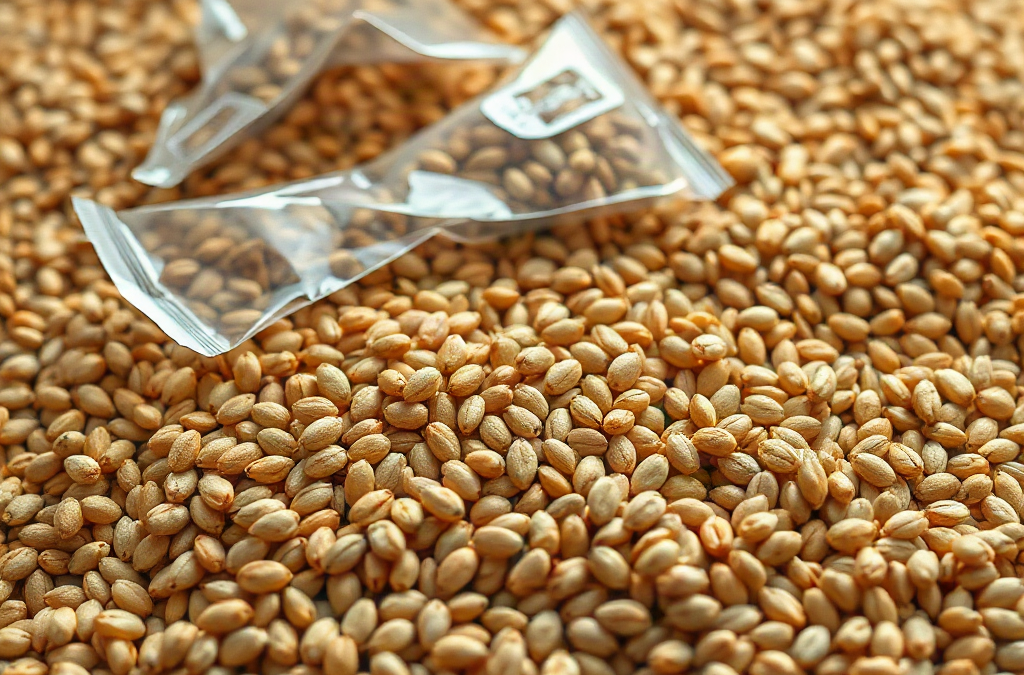
Recover grain after a minor leak by stopping the water, isolating affected containers, and separating completely dry grain from any kernels, flour, or packaging that became damp. Discard grain touched by sewage, roof runoff, chemicals, pests, mold, or unknown water rather than trying to dry it for food. Transfer unaffected grain into clean, dry containers, inspect it for clumping, staining, odors, insects, and condensation, then monitor it before returning it to long-term storage. Do not rely on appearance or cooking to make questionable grain safe, because moisture can promote hidden mold growth and some mold toxins may persist after heating.
Stop the Leak and Map the Exposure
A small leak can produce several different exposure levels within the same pantry or storage room. One container may have received direct drips, another may only have a wet exterior, and a third may have remained dry but sat in humid, enclosed air. Treating all three situations alike either wastes sound food or keeps questionable grain.
Stop the water source before moving supplies through the area. If the leak is near electrical wiring, appliances, or outlets, avoid the wet space until the electrical hazard has been addressed. Then photograph the arrangement if an insurance claim may be relevant and mark the containers according to where they were found. Moving everything immediately into one pile makes it harder to distinguish direct exposure from nearby storage.
The source of the water matters more than the size of the wet patch. A slow drip from a clean household supply line presents a different decision from roof runoff, drain water, floodwater, or liquid that crossed insulation and dirty building materials. Grain touched by sewage, chemicals, pest-contaminated water, or water of uncertain origin should not be recovered for eating. Porous food and packaging cannot be reliably cleaned after that type of exposure.
Next, determine whether water reached the food or only the container. Check lids, seams, gaskets, zipper closures, paper folds, and the underside of each package. Condensation beneath a lid, a softened paper sack, a lifting label, or flour stuck around a closure can reveal entry that is not obvious from the top. Do not open wet packaging over dry grain; droplets and debris can fall into otherwise protected food.
A common mistake is assuming that a sealed-looking container remained sealed. Buckets with loose snap-on lids, reused jars with damaged sealing surfaces, and thin retail bags may resist dust without resisting water. In contrast, an intact can or properly closed rigid container may protect its contents even when its exterior is wet. Clean and dry the outside before opening, and keep it separate until the seal and contents have been examined.
Which Grain Can Be Saved?
Completely dry grain protected by an intact, water-resistant barrier is the strongest candidate for recovery. The goal is to preserve food that remained isolated from the leak, not to rehabilitate every package found nearby. Whole kernels tolerate handling better than flour, cracked grain, or rolled products, but no grain form should be kept when contamination or moisture penetration is uncertain.
Sort the supply into three practical groups. The first group contains dry food in intact containers with only external wetting; these containers can usually be cleaned, dried, and inspected. The second group contains grain with uncertain exposure, such as food in damp cardboard, paper sacks, cloth bags, or closures showing moisture. The third group includes visibly wet, moldy, unusually warm, sour-smelling, pest-contaminated, or dirty-water-exposed food. The third group belongs in disposal, while uncertain food should be handled conservatively rather than merged with sound stock.
| Observed condition | Practical decision | Reason |
|---|---|---|
| Dry contents in an intact rigid container | Clean the exterior, inspect, and re-store | The food barrier appears to have remained effective |
| Wet outer cardboard around a sealed inner bag | Remove the cardboard and inspect the inner seal | The inner barrier, not the carton, determines exposure |
| Damp paper sack or wet flour package | Discard | Moisture spreads through porous packaging and fine particles |
| Clumped kernels, condensation, staining, or musty odor | Discard or seek professional evaluation for commercial lots | These signs suggest moisture entry or biological activity |
| Contact with roof runoff, sewage, chemicals, or unknown water | Discard | Home cleaning cannot reliably reverse contamination |
Smell and appearance can identify some failures, but they cannot prove safety. A normal odor does not show that grain stayed dry, and removing a visibly affected top layer does not establish that moisture remained confined there. Water follows package seams and moves between kernels through capillary action, while humidity can spread beyond the original drip point.
Do not taste grain to test it. Cooking is not a dependable rescue method for questionable stock because heat may kill some organisms without removing every contaminant or toxin they produced. For farm-scale bins, silos, or grain intended for sale, home pantry rules are inadequate; moisture testing, sampling, aeration decisions, and market requirements call for a grain-storage professional, extension service, insurer, or buyer.
The Six-Step Grain Recovery Process
A controlled recovery keeps questionable material from contaminating dry stock. Set up a clean work surface away from the leak and gather dry containers, labels, clean cloths, and separate waste bags. Process the least exposed packages first so wet containers do not drip across the work area.
- Stop and contain the leak. Repair or isolate the source, remove standing water, and increase room ventilation if it can be done safely.
- Establish exposure zones. Separate directly wet packages, containers with wet exteriors, and supplies that remained dry. Keep records for large or valuable batches.
- Reject unsafe material. Bag food exposed to contaminated or unknown water, along with grain showing dampness, mold, off odors, discoloration, unusual heat, or persistent clumping.
- Clean protected containers. Wipe soil from intact water-resistant containers, clean them using a method suitable for the container material, and dry every surface and closure before opening.
- Transfer only verified dry grain. Move sound contents from compromised outer packaging into clean, food-grade containers. Label the grain type, original date, leak date, and inspection status.
- Quarantine and monitor. Store recovered containers apart from unaffected reserves until repeated checks show no condensation, odor, clumping, insects, or renewed room moisture.
During transfer, pour grain slowly under good lighting. Watch for kernels sticking together, darkened material, wet dust, webbing, insects, or moisture on the container wall. Fine products deserve stricter judgment because small amounts of water can disappear into flour or meal while creating dense clumps below the surface. If an inner bag has a puncture, open seam, wet closure, or trapped condensation, do not treat the dry-looking center as proof of protection.
Use genuinely food-grade replacement containers that are clean, odor-free, and fully dry. A container that previously held nonfood material is inappropriate even after washing. Avoid sealing grain in a container that is still cool and damp from cleaning; residual droplets can recreate the problem. Likewise, do not add recovered grain to an older reserve. Keeping batches separate limits loss if delayed spoilage signs appear.
The process is working when the storage area dries, package surfaces remain free of condensation, and quarantined grain retains its normal free-flowing texture and odor. It is failing when lids fog, kernels cake together, packages feel warm, insects become active, or a musty or sour smell develops. Those signs call for disposal or professional assessment, not another transfer into a fresh container.
Can Damp Grain Be Dried and Repacked?
Home drying should not be used to justify keeping grain that became visibly wet or had an uncertain contamination history. Drying removes water, but it does not remove dirt, chemicals, microbial byproducts, or every toxin associated with mold. The safe decision depends on the water source, exposure duration, grain form, temperature, and actual internal moisture—not merely whether the kernels later feel dry.
Whole grain spilled briefly onto a clean, dry surface presents a handling problem, while grain soaked by a leaking roof presents both moisture and contamination problems. Those scenarios should not receive the same treatment. Roof water may pass across roofing materials, dust, insulation, animal waste, or hidden mold before reaching food. A countertop dehydrator or warm oven cannot validate such grain for consumption.
Get Whole Wheat Flour, Grains and Milling Supplies – CLICK HERE 
Air-drying may be appropriate for washable, nonporous container exteriors after the food barrier has been confirmed intact. It may also help dry an empty storage room or shelving before sound food is returned. Fans, dehumidification, and airflow should be directed at the space and cleaned equipment rather than used as evidence that exposed food has become safe. Make sure air movement does not blow dust or mold from wet building materials onto open grain.
Avoid improvised high heat. Grain can become scorched on the outside while retaining moisture in the interior, and sealed warm grain may later develop condensation as it cools. Flour and rolled grain are especially difficult to assess without appropriate measurement because moisture does not distribute evenly. Sun-drying introduces additional exposure to insects, animals, dust, and changing humidity.
Commercial operators have options unavailable in a household pantry, including calibrated moisture meters, controlled aeration, temperature monitoring, representative sampling, and grading. Even there, drying addresses condition management rather than automatically resolving contamination. If the quantity is too valuable to discard based on a household inspection, keep it isolated and obtain advice specific to the grain, intended use, water source, and local requirements. The common failure is allowing the value of the batch to lower the safety standard.
How Should Recovered Grain Be Monitored?
Recovered grain should remain in a clearly marked quarantine area until the room and containers have demonstrated stable, dry conditions. Do not put it immediately behind newer supplies or return it to a location with damp drywall, wet wood, active condensation, or an unresolved plumbing fault. Food protection depends on fixing the environment as well as changing the package.
Inspect the containers more frequently than the rest of the pantry at first, then continue checking them during normal stock rotation. Look through transparent walls where possible without repeatedly opening the package. Check the upper corners and underside of lids for fogging or droplets, and compare the grain’s flow, color, and odor with an unaffected batch of the same type. A change from loose kernels to bridging or caking suggests moisture movement even if no standing water is visible.
Labels make delayed problems traceable. Record the grain type, original packing or purchase date, date of the leak, previous package, and recovery decision. If several containers were in different exposure zones, assign separate batch marks. Without this distinction, one questionable container may later be blended into the full reserve, turning a limited loss into a much larger one.
Inspect the storage structure as well. Water stains that enlarge, recurring dampness after rain, swollen shelving, peeling finishes, or a persistent earthy odor indicate that the leak may not be minor or fully repaired. Grain should be moved to another dry location while the building material is assessed. Placing a fresh bucket on a still-damp shelf can wet the container base and labels, conceal continuing leakage, and encourage corrosion on metal components.
Use recovered stock before unaffected long-term reserves only when it remained dry, passed inspection, and has shown no warning signs. Discard it if condensation, mold, clumping, abnormal warmth, pests, discoloration, or off odors develop. Never mix a suspect batch into animal feed without appropriate advice; contamination that makes grain unsuitable for people may also pose animal-health risks. Continued uncertainty is itself a reason to keep the batch out of the food supply.
Frequently Asked Questions
Can grain be saved if only the outside of the bucket became wet?
Usually, if the bucket and closure remained intact and the contents are completely dry. Clean and dry the exterior before opening, then inspect the lid, gasket, grain, and container walls for water entry or condensation.
Should I discard grain stored in a damp paper bag?
Yes when the bag or grain became damp. Paper is porous, moisture can spread beyond the visible mark, and dry-looking material in the center does not confirm that the batch remained unaffected.
Can cooking make leak-damaged grain safe?
Cooking should not be treated as a rescue step. Heat may reduce some microbes, but it cannot reliably remove chemical contamination, dirt, or every toxin that may be associated with mold growth.
Is roof-leak water considered clean?
No. Roof runoff can collect debris and contaminants from roofing, insulation, dust, pests, and hidden building materials. Food directly contacted by it should be discarded rather than dried for consumption.
When is professional grain testing appropriate?
Seek professional assessment for farm-scale quantities, grain intended for sale, high-value lots, or batches requiring moisture and contamination testing. Keep the affected lot isolated until an appropriate grain-storage or food-safety professional advises on it.
Conclusion
Successful recovery means preserving grain that remained protected, not trying to save every package near the leak. First confirm the water source and exposure path, then reject food touched by dirty or unknown water and any batch showing dampness, mold, odors, heat, or clumping. Clean intact container exteriors before opening them, transfer only verified dry contents into dry food-grade storage, and keep recovered batches separate and labeled.
The storage room deserves the same attention as the food. Repair the leak, dry shelving and building materials, and watch for returning stains or condensation. Recheck quarantined containers before using or combining their contents. When the quantity is commercial, the exposure is uncertain, or moisture has entered the grain, isolation and qualified assessment are more dependable than improvised drying.
Get Whole Wheat Flour, Grains and Milling Supplies – CLICK HERE
Auto Amazon Links: No products found.





