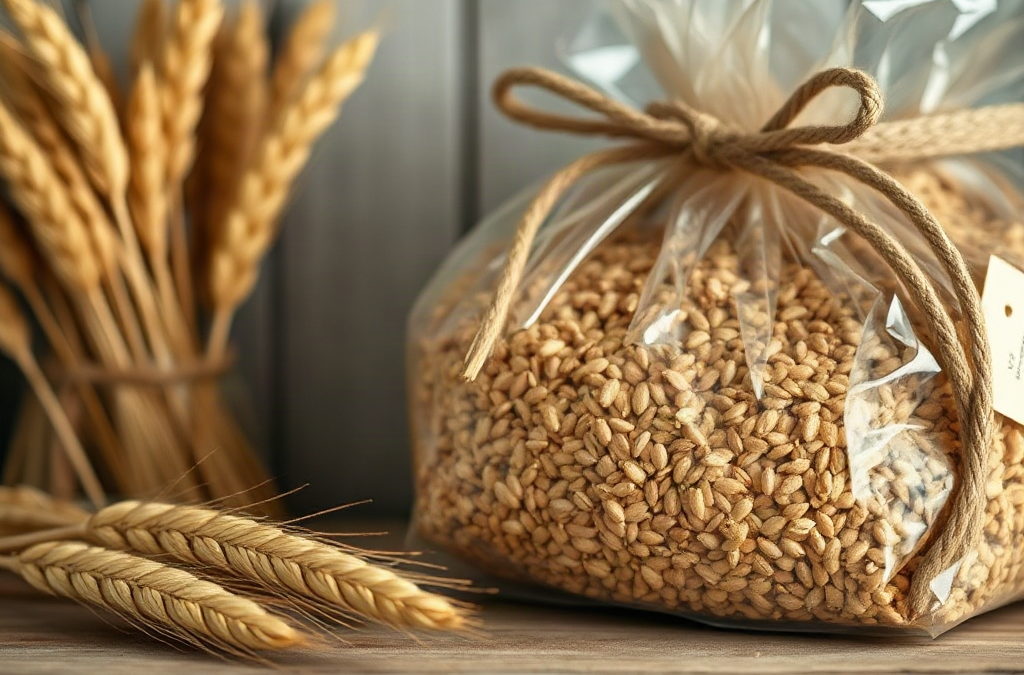
Whole wheat can survive summer garage storage for a limited period, but repeated heat exposure makes it a poor location for preserving long-term quality. High temperatures accelerate oxidation in the grain’s natural oils, while temperature swings can cause condensation inside poorly sealed containers and encourage insects to develop faster. Intact wheat berries tolerate heat better than whole wheat flour because grinding exposes more surface area and releases oils to oxygen. Use airtight, food-grade containers, keep the grain off concrete, inspect it regularly, and move it to a cooler indoor location if the garage remains hot for weeks at a time.
What Summer Heat Does to Whole Wheat
Garage heat shortens the useful life of whole wheat even when the grain remains dry and appears normal. A closed garage can become considerably warmer than the outdoor air, especially when it faces afternoon sun, has an uninsulated roof, or shares heat with parked vehicles. Those elevated temperatures speed the chemical reactions that gradually diminish flavor, aroma, and milling quality.
Whole wheat contains the bran, germ, and endosperm. The germ carries natural oils that make the grain nutritionally valuable but more vulnerable to oxidation than highly refined grain products. Heat accelerates that oxidation. The earliest consequence may be a stale, bitter, paint-like, or oily odor rather than visible mold. Grain exposed to one hot afternoon is not automatically ruined; the greater concern is accumulated exposure through many warm days and nights.
Temperature fluctuation creates a separate problem. A container packed during cool weather may warm during the day and cool overnight. If humid air is trapped inside, moisture can condense on the container wall or migrate through the grain. A small damp zone may develop even though the bulk wheat feels dry. Mold requires available moisture, so heat alone is not the same as mold risk, but heat combined with moisture intrusion creates a much less forgiving environment.
Warm conditions also favor faster insect development. Eggs or immature insects already present in grain can become an active infestation more quickly in a hot space. A screw-top bucket may stop new pests from entering yet do nothing about insects sealed inside with the wheat. Thin retail sacks offer even less protection because they are vulnerable to humidity, pantry moths, beetles, rodents, and garage odors.
The useful distinction is between survival and dependable preservation. Wheat may remain edible after a summer in a garage, but appearance alone cannot establish that its flavor and storage potential are unchanged. Anyone considering Can whole wheat survive summer garage storage should treat temperature history, moisture control, and package integrity as connected issues rather than judging the grain only by its age.
Wheat Berries and Flour Do Not Store the Same Way
Intact wheat berries are substantially more resilient than whole wheat flour because their protective outer structure limits the oils’ exposure to air. Once wheat is milled, the germ and bran are broken into small particles. The increased surface area allows oxygen to reach more of the grain, so flavor deterioration proceeds faster, particularly in a warm garage.
Consider two containers placed on the same shelf in June. One holds clean, dry hard wheat berries in a sealed food-grade bucket; the other holds freshly milled whole wheat flour in its original paper bag. By late summer, the berries may still smell neutral and mill normally, while the flour may have absorbed odors, formed clumps, or developed a stale taste. Packaging contributes to the difference, but the physical form of the wheat is equally important.
For that reason, a garage should not be the default summer location for whole wheat flour. Refrigeration or freezing is more appropriate when flour must be retained beyond routine kitchen use. If cold space is limited, store intact berries under the best available conditions and mill smaller quantities as needed. That approach delays the moment when the oils become widely exposed to oxygen.
Not every intact kernel has identical storage prospects. Wheat placed into long-term containers should begin clean, mature, and adequately dry. Grain of uncertain moisture content, grain recently harvested without proper conditioning, or wheat showing insect activity should not be sealed away on the assumption that an airtight bucket will correct the problem. Sealing preserves the condition placed inside; it does not reverse excess moisture or deterioration.
Storage duration should also shape the decision. A sealed container held in a garage briefly during a move is a different situation from a reserve expected to remain dependable for years. Short-term inconvenience may be manageable with monitoring, but long-term food reserves justify a cooler interior closet, basement area that stays dry, climate-controlled room, or another stable location. The mistake is assuming that durable kernels make temperature irrelevant. Their structure buys resilience, not immunity.
How to Evaluate Your Garage Before Storing Wheat
A garage should be evaluated by measured conditions rather than by how it feels during a quick visit. The coolest morning temperature reveals little about what sealed containers experience in late afternoon. Place a recording thermometer with minimum and maximum readings near the intended shelf for at least several hot days. Check the location during the hottest part of the season, not only in spring.
Placement can produce major differences within the same building. A shelf against a west-facing wall or beneath an uninsulated roof will usually receive more heat than an interior wall shared with an air-conditioned room. The floor may feel cooler, but containers set directly on concrete face possible moisture transfer, cleaning-water exposure, and unnoticed condensation. A sturdy shelf or pallet provides separation without placing the food near the ceiling, where hot air accumulates.
Inspect the garage for practical hazards before moving grain into it:
- Heat load: prolonged afternoon heat, direct sun, hot roof space, or heat released by recently parked vehicles.
- Water pathways: door leaks, plumbing, wet floors, wall seepage, or containers beneath areas prone to condensation.
- Pests: droppings, gnaw marks, moths, beetles, damaged packages, or gaps around doors.
- Chemical odors: gasoline, paint, solvents, pesticides, fertilizers, and automotive fluids stored nearby.
- Physical damage: shelves that wobble, sharp objects, vehicle traffic, or buckets stacked beyond safe handling height.
A detached metal garage in a hot climate presents a different risk from an insulated attached garage in a mild coastal area. The first can undergo severe daily temperature swings; the second may remain relatively stable if shaded and ventilated. Even a comparatively moderate garage is not automatically suitable when grain shares airspace with fuel or strong chemicals. Plastic containers reduce vapor transfer but should not be treated as permission to store food beside volatile products.
Use the measurement period to make a direct choice. If the space stays only moderately warm, remains dry, and has no pest or chemical problem, short-term berry storage may be workable with close inspection. If it becomes persistently hot, seek an indoor alternative rather than trying to compensate with thicker buckets alone. Insulation may slow temperature change, but without active cooling it does not prevent stored food from eventually reaching the surrounding temperature.
A Safer Packaging and Placement Plan
Good packaging protects wheat from moisture, oxygen, pests, and contamination, but it cannot fully cancel prolonged garage heat. Begin by confirming that the wheat is sound: kernels should be dry, free-flowing, normally colored, and free of musty or sour odors. Do not combine questionable grain with a clean batch, because one damp or infested lot can compromise the entire container.
For routine short-term use, rigid food-grade containers with tight-fitting lids provide better protection than paper or woven sacks. Divide the wheat among manageable containers rather than opening one large reserve repeatedly. Smaller units limit the amount exposed to humid air during use and confine damage if one seal fails. Label each package with the grain type, packing date, source, and intended rotation date.
Get Whole Wheat Flour, Grains and Milling Supplies – CLICK HERE 
Longer storage commonly involves sealed barrier bags inside food-grade buckets, with oxygen absorbers sized for the package and used according to their manufacturer’s directions. The barrier bag provides the primary oxygen and moisture protection; the bucket guards against puncture and pests. Improvised quantities and loosely closed bags undermine the system. Oxygen absorbers are not a remedy for damp grain, and sealing moist wheat in a low-oxygen package can create a serious spoilage hazard.
A practical packing sequence is:
- Examine the kernels and reject lots with dampness, insects, webbing, unusual odor, or visible damage.
- Use clean, completely dry, food-contact packaging.
- Fill and seal the inner package promptly, following the closure and absorber instructions for that specific system.
- Place it in a rigid outer container and apply a clear date and lot label.
- Set the container on a low, stable shelf away from exterior walls, sunlight, water, chemicals, and vehicle exhaust.
Freezing grain is sometimes used to control insects, but casual freeze-and-thaw handling can introduce condensation. Wheat removed from a freezer should remain sealed until the entire package reaches room temperature, preventing humid air from condensing directly on cold kernels. Freezing does not make subsequent hot storage harmless; it addresses pests, not oxidation or garage temperature.
If only one improved location is available, reserve it for flour and the longest-term wheat supply. Frequently rotated berries can occupy a less ideal but monitored space for a shorter interval. This priority-based approach is more realistic than assuming every container needs identical treatment. Further discussion of Can whole wheat survive summer garage storage should always distinguish packaging protection from actual temperature control.
Inspection, Rotation, and Signs of Failure
Stored wheat should be inspected on a schedule that becomes more frequent during hot weather. Look at the container before opening it: a loose lid, punctured liner, rodent damage, water marks, or unexplained debris around the seal deserves immediate attention. Record the date and observation so gradual changes do not depend on memory.
After opening a selected container, examine the grain under good light. Healthy wheat berries are generally firm, free-flowing, and characteristic in color and aroma for their variety. Warning signs include live insects, larvae, webbing, damp clumps, condensation, mold growth, mustiness, sourness, or a strong rancid odor. Grain with visible mold, unexplained moisture, or objectionable odor should not be tasted to decide whether it is acceptable.
Some failures are subtle. Kernels may look intact but produce flour with a stale smell or bread with an unpleasant bitter note. Milling a small sample provides more information than inspecting the outside of the berry alone because grinding releases the internal aroma. If the grain passes visual and odor checks but performs poorly when milled or cooked, shorten the rotation interval and reassess the storage location.
Rotation should follow actual exposure, not merely the packing date. A container that spent two hot summers in a garage deserves earlier use than an older lot maintained in a cool indoor room. Keep summer-exposed wheat separate from better-protected reserves, and use the warmer-stored lot first if it remains sound. Avoid continually topping off a partially used bucket because mixed packing dates make age, condition, and pest tracing difficult.
Successful storage has observable signs: seals remain intact, containers stay dry and odor-free, kernels move freely, no insects appear, and milled grain retains its expected aroma and performance. Failure signals are rising maximum temperatures, repeated condensation, damaged packaging, pest evidence, or worsening flavor. When those signs emerge, replacing the garage with a cooler location matters more than adding another outer container. Readers assessing Can whole wheat survive summer garage storage should make the next decision from the grain’s condition and exposure history, not from a presumed universal shelf life.
Frequently Asked Questions
Is a hot garage safe for unopened bags of wheat berries?
Retail bags offer limited protection from humidity, insects, odors, and rodents. Transfer sound, dry berries to sealed food-grade packaging and choose a cooler location whenever storage will extend through sustained summer heat.
Can an airtight bucket protect wheat from high temperatures?
An airtight bucket blocks outside moisture and pests when properly sealed, but the wheat inside will still heat to roughly the surrounding temperature over time. It does not stop heat-driven quality loss.
Should whole wheat flour ever be kept in a garage?
Whole wheat flour is poorly suited to a hot garage because milling exposes its oils to oxygen. Use it promptly or keep it refrigerated or frozen in moisture-resistant packaging.
Does a garage refrigerator solve the problem?
A functioning refrigerator or freezer can provide a more stable environment, provided it maintains temperature reliably and packages protect against moisture and odors. Power interruptions and appliance heat should still be considered.
Can wheat that became hot still be used?
Heat exposure alone does not prove spoilage. Inspect for insects, moisture, mold, and abnormal odors, then mill a small sample if no safety warning signs are present. Discard questionable or moldy grain rather than tasting it.
Conclusion
A summer garage is a compromise location, not a neutral pantry. Measure its hottest conditions, separate intact berries from flour, and give the coolest available space to milled products and long-duration reserves. Sound wheat packed in sealed food-grade containers may tolerate brief warm storage, but packaging cannot neutralize months of heat, moisture migration, chemical exposure, or pests.
Before the hottest weather arrives, move containers off concrete, isolate them from vehicles and chemicals, verify every seal, and create a dated inspection schedule. Mill or cook a small sample from heat-exposed lots before relying on them for important reserves. If temperatures remain high or condensation and insects appear, relocate the wheat rather than adding layers of packaging. Stable temperature, dry grain, and intact barriers provide a more dependable plan than hoping hardy kernels will overcome a harsh environment.
Get Whole Wheat Flour, Grains and Milling Supplies – CLICK HERE
Related Content
Auto Amazon Links: No products found.