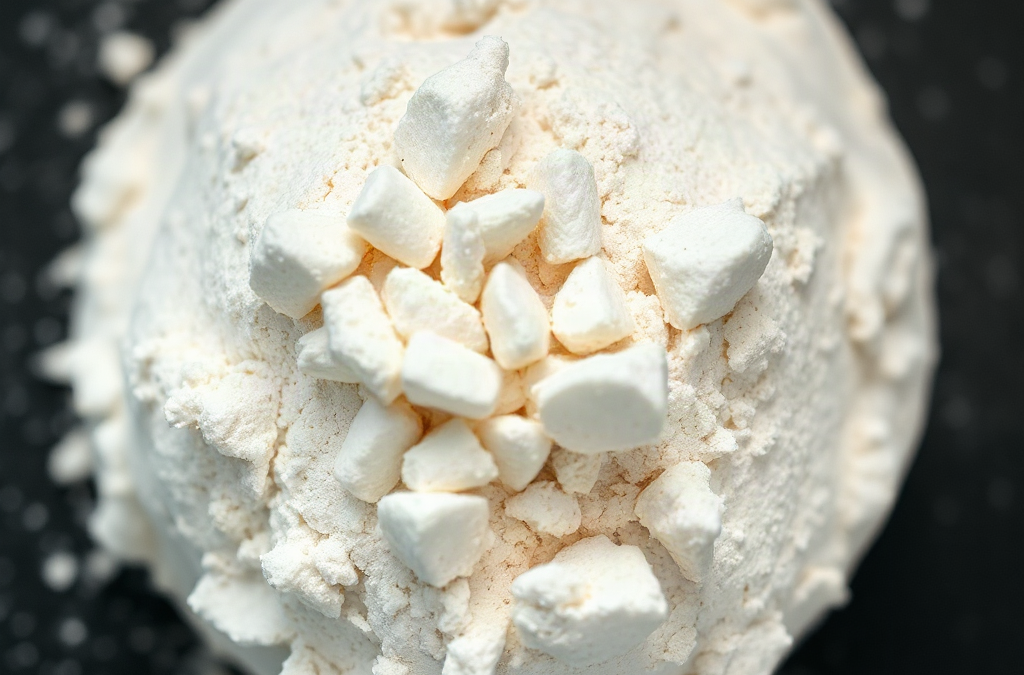
A wheat flour storage date is primarily a quality marker, not an automatic discard deadline, and the flour may remain usable beyond it when kept dry, cool, sealed, and free of pests. Best quality declines as oxygen, warmth, moisture, and light affect flavor, aroma, color, and baking performance; whole-wheat flour usually changes faster because its germ and bran contain natural oils. Check the package date alongside the opening date, storage conditions, odor, texture, and visible contamination. Discard flour that smells rancid or musty, shows mold, contains insects or webbing, or became wet rather than relying on the printed date alone.
What Does the Package Date Really Mean?
The date printed on a flour package should be read as the producer’s quality reference for an unopened product stored under suitable conditions. Depending on the wording, it may indicate when the producer expects flavor, aroma, color, and functional performance to remain at their intended level. It does not reveal how long the bag has been open, whether it sat beside a warm appliance, or whether humid air entered after purchase.
A storage date and an opening date answer different questions. The package date provides a fixed reference, while the opening date marks the point at which household conditions begin to matter more. Every opening exchanges dry interior air with room air and can introduce humidity, crumbs, or pantry pests. Writing the opening date on the bag or storage container therefore gives a more useful household record than relying on the printed date by itself.
The distinction between quality and suitability is especially relevant when flour is only slightly past its quality date. An unopened bag stored in a cool, dry cupboard may still smell neutral and perform normally. A newer bag kept above a stove or under a leaking sink may deteriorate sooner. Calendar age is evidence, but it is not a direct measurement of the flour’s present condition.
| Information | What It Tells You | What It Cannot Confirm |
|---|---|---|
| Printed package date | The producer’s intended quality window | Conditions after purchase or opening |
| Opening date | How long the flour has faced household exposure | Whether heat, moisture, or pests entered |
| Sensory inspection | Current odor, appearance, and texture | Every hazard that might be invisible |
| Storage history | Likely exposure to air, heat, light, and humidity | Exact remaining shelf life |
The common mistake is treating the date as either an absolute safety boundary or as meaningless. Neither approach is useful. Keep the date as one part of a larger decision: identify the flour type, review how it was stored, inspect it carefully, and consider whether its flavor and performance are acceptable for the intended recipe.
Why Does Wheat Flour Quality Change During Storage?
Flour changes because milling exposes far more surface area than an intact wheat kernel. Oxygen can reach the flour’s components readily, while fine particles absorb odors and respond to moisture more quickly. Temperature, air exposure, humidity, light, and the flour’s fat content determine how rapidly those changes become noticeable.
Refined white flour contains less of the bran and germ than whole-wheat flour. Removing those portions also removes much of the natural oil, so white flour generally holds a neutral flavor longer under comparable conditions. Whole-wheat flour retains the entire kernel and offers its characteristic flavor and baking properties, but its oils are more susceptible to oxidation. A stale cardboard-like, bitter, paint-like, or otherwise unpleasant odor can indicate rancidity. The exact odor varies, so comparison with fresh flour of the same type can be helpful.
Moisture creates a different problem. Dry flour should remain loose apart from minor compaction that breaks up easily. Water intrusion can produce persistent clumps, discoloration, musty odors, or visible mold. Sifting does not correct flour that became damp or moldy because removing visible material does not reverse the underlying exposure. A cupboard near a dishwasher, kettle, or exterior wall may be more humid than its room temperature suggests.
Pests can arrive from another dry food or occasionally be present before a package reaches the home. Small beetles, larvae, fine webbing, or unexplained movement are reasons to discard the affected flour and inspect nearby grains, cereals, pasta, and baking mixes. Simply transferring infested flour into a clean container preserves the infestation rather than solving it.
A practical scenario shows why the package date cannot carry the whole decision. Two bags purchased together may age differently if one stays sealed in a cool cabinet while the other is opened weekly and folded shut in a warm pantry. The second bag receives more oxygen, room humidity, and opportunities for cross-contamination. The better response is not to calculate a precise extra number of days, but to reduce exposure and monitor the signs that correspond to the actual failure mechanisms.
How Should You Check Flour Before Using It?
Inspect questionable flour before adding eggs, butter, yeast, or other ingredients that would be wasted if the flour proves unsuitable. Move a small amount into a light-colored bowl under good illumination. This makes insects, webbing, dark specks, abnormal clumps, and color changes easier to see than they are inside an opaque canister.
Use a short check in a consistent order:
- Review the history: note the flour type, package date, opening date, container, and storage location.
- Look closely: check for pests, webbing, mold, damp clumps, staining, or foreign material.
- Smell it: fresh flour should have a mild grain aroma rather than a musty, sour, bitter, or chemical-like odor.
- Consider the exposure: discard flour known to have become wet or contaminated, even if it looks ordinary after drying.
- Test performance when appropriate: if the flour passes inspection but quality is uncertain, use a small amount in a low-cost recipe before committing a large batch.
A small baking test is a quality check, not a way to make contaminated flour acceptable. It may reveal stale flavor, poor aroma, or changed dough behavior in flour that otherwise appears normal. Pancakes, a small biscuit batch, or a basic flatbread use fewer expensive ingredients than a celebration cake or several loaves of bread. If the test tastes bitter, stale, or distinctly different from the expected flour, replacing the supply is the sensible choice.
Do not taste raw flour to decide whether it is safe. Flour is an agricultural raw product and is intended to be cooked. Smelling and visually examining it can identify common deterioration, but those checks do not prove the absence of invisible microorganisms. Standard recipe cooking remains necessary even when the flour is fresh and within its printed date.
Get Whole Wheat Flour, Grains and Milling Supplies – CLICK HERE 
The weakest assumption is that sifting repairs old flour. Sifting can aerate compacted flour and remove harmless lumps caused by pressure, but it cannot remove rancid flavors, moisture exposure, mold contamination, or the consequences of pests. Flour that fails a basic odor or contamination check should not be blended with a fresh bag, since blending only spreads the defect and makes the good flour unusable too.
Choosing Storage by Flour Type and Use Pattern
The best storage method matches the flour’s composition and how quickly the household uses it. Frequently used white flour can be practical in a sealed food-grade container in a cool, dry, dark cupboard. Whole-wheat flour, specialty whole-grain flour, or a large quantity that will be used slowly benefits more from colder storage because lower temperatures slow quality loss.
An airtight container provides more reliable protection than repeatedly folding the top of a paper bag. It limits humidity exchange, keeps pantry odors away, and forms a physical barrier against pests. The original label or a written note should remain with the container so the flour type, package date, and opening date are not lost. Mixing new flour into an unwashed container holding older residue undermines rotation and can transfer stale flavor or pests to the new supply.
Refrigeration and freezing can extend the useful quality window, especially for whole-wheat flour, but cold storage introduces a handling tradeoff. The container must resist moisture and odors, and it should remain closed while the flour returns toward room temperature. Opening cold flour in a warm, humid kitchen can allow condensation to form on the flour or inside the container. Dividing a large purchase into smaller sealed portions reduces repeated warming and opening.
Storage choices should also reflect turnover. A household baking bread several times a week gains little from filling freezer space with a modest amount of white flour that will be used promptly. Someone buying whole-wheat flour in bulk for occasional baking faces a different calculation: keeping one working portion in the pantry and the reserve in sealed cold storage can protect flavor without making every use inconvenient.
Good rotation is simple rather than elaborate. Place the older acceptable flour where it will be used first, avoid combining batches until each has been checked, and buy quantities that fit realistic baking habits. Watch for failure signals in the storage setup: condensation, recurring insects, flour absorbing cabinet odors, labels becoming unreadable, or packages remaining open for long periods. Success looks like dry, neutral-smelling flour, clean containers, legible dates, and steady use before quality noticeably declines.
The common mistake is choosing a large container or bulk purchase based only on cost per unit. Lower purchase cost has little value if the final portion becomes stale before use. Smaller packages may cost more per pound but can preserve quality better for an occasional baker. Cold storage may justify bulk buying when there is enough space and the flour can be divided, sealed, labeled, and handled without condensation.
Frequently Asked Questions
Can wheat flour be used after its best-quality date?
It may remain usable if it stayed cool, dry, sealed, and pest-free. Review its storage history and reject it for rancid or musty odor, moisture, mold, insects, or webbing.
Does whole-wheat flour deteriorate faster than white flour?
Whole-wheat flour generally loses quality sooner because it retains the oil-containing germ and bran. Cooler, airtight storage is especially useful when it will be used slowly.
Should flour be refrigerated after opening?
Refrigeration is useful for whole-wheat flour, warm kitchens, and slow turnover. Use a tightly sealed container and let it warm while closed to reduce condensation risk.
Are lumps a sign that flour has spoiled?
Soft lumps from packing may break apart harmlessly, but hard or damp clumps can indicate moisture exposure. Discard flour with dampness, staining, mold, or a musty smell.
Can old flour be mixed with a fresh bag?
Check and use each batch separately first. Mixing an old batch with new flour can spread pests or stale odors and removes the ability to track either batch accurately.
Conclusion
Treat the package date as a useful quality reference rather than the only fact controlling the decision. Flour type, opening date, temperature, humidity, container quality, and evidence of contamination reveal more about its present condition. Whole-wheat flour deserves closer attention because its natural oils make cold storage more valuable when turnover is slow.
Label each batch, keep it sealed away from heat and moisture, and inspect it before committing other ingredients. Discard flour exposed to water or showing mold, pests, webbing, or objectionable odors; sifting and blending cannot correct those failures. For flour that passes inspection but may have lost freshness, a small cooked test recipe can prevent waste. Match purchase size to actual use, and store reserve portions separately so opening one container does not expose the entire supply.
Get Whole Wheat Flour, Grains and Milling Supplies – CLICK HERE
Auto Amazon Links: No products found.