
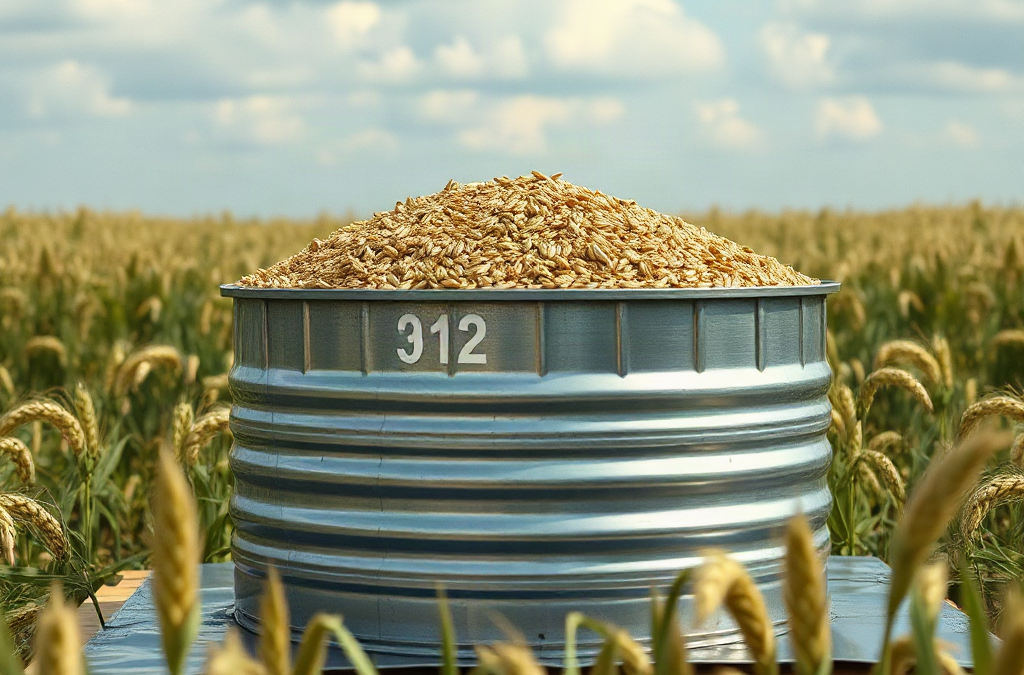
Protect stored grain from flooding by moving it above the expected flood level, sealing it in moisture-resistant food-grade containers, and keeping those containers off concrete floors and away from walls. Use sturdy shelving or anchored pallets that will not collapse or float, and inspect roofs, drains, sump systems, and nearby runoff paths before heavy rain. Never assume an intact-looking bag protected grain that contacted floodwater, because contaminated water can enter through seams and carry sewage, fuel, chemicals, and microbes. After a flood, isolate affected containers, document damage, and discard grain whenever water entered the package or safe cleanup is uncertain.
How Can Floodwater Reach Stored Grain?
Flood exposure does not begin only when a river crosses the property line. Stored grain can be damaged by surface runoff under a door, sewer backup, a failed sump pump, a leaking roof, water forced through foundation cracks, or moisture trapped around containers after a shallow indoor flood. Mapping these entry routes is the first useful inspection because each one requires a different control.
Start outside the building during dry weather. Notice whether the ground slopes toward the storage room, downspouts discharge near the foundation, window wells collect water, or a driveway channels runoff toward a low doorway. Inside, look for mineral stains, peeling paint, swollen wood, rust at the bottoms of metal shelving, and musty areas along walls. These marks reveal previous wetting even when the room currently feels dry.
The location of the grain matters as much as the apparent condition of the building. A sack placed directly on a basement floor may absorb moisture through paper or woven material before standing water is obvious. A sealed bucket protects against splashes, but it can still be displaced, submerged, or contaminated around the lid if it floats and overturns. Grain against an exterior wall may also encounter condensation or seepage that is unrelated to a declared flood.
Rank the hazards by how quickly they can affect the supply. Water entering at floor level threatens low bags and buckets first. Roof leaks threaten open bins and containers stored beneath ceiling penetrations. Sewer or drain backup presents a serious contamination concern even when the water is shallow. Clean rainwater and floodwater should not be treated as equivalent: floodwater may contain sewage, petroleum products, agricultural chemicals, debris, or other contaminants that cannot be identified by sight or smell.
A common mistake is planning around the last flood mark alone. A previous event shows that water reached at least that height; it does not establish a safe maximum for the next storm. Use local flood information, observed drainage behavior, and the building’s lowest openings to choose a conservative storage elevation. If the room has repeated seepage or sits below grade in a flood-prone location, moving the reserve to a higher floor or another building is more dependable than relying on containers alone.
How Should Grain Be Elevated and Contained?
Effective protection uses two independent barriers: elevation keeps grain away from rising water, while suitable containers limit moisture and contamination if splashing, leaks, or high humidity reach the storage area. Either measure can fail on its own. A paper sack on a high shelf remains vulnerable to a roof leak, and a sealed bucket on the floor may become submerged or carried away.
For household quantities, place dry grain in clean, food-grade containers with lids designed to seal securely. The container material should be compatible with food storage and free from cracks, warped rims, damaged gaskets, or chemical odors. Original paper and woven sacks are useful for transport but provide weak flood protection. If grain remains in its retail bag for identification, place the entire bag inside an appropriate outer container rather than assuming the bag is watertight.
Raise containers on robust shelving, a stable platform, or sound pallets made from material appropriate for the storage environment. Elevation should exceed the credible water level rather than merely creating a small gap for airflow. Do not overload shelves, and place heavier containers on lower elevated levels to reduce tipping risk. In locations where water could become deep enough to create buoyancy, anchor shelving to suitable structural members and restrain containers so they cannot float off the platform.
| Storage option | Flood-related strength | Main limitation |
|---|---|---|
| Paper or woven sack | Easy to move before a warning | Absorbs water and is difficult to sanitize |
| Food-grade bucket with sealing lid | Resists splashes and brief exterior wetting when sound | May float, tip, or leak around a damaged lid |
| Rigid food-storage drum | Holds larger quantities behind a durable outer barrier | Heavy when full and difficult to relocate quickly |
| Elevated metal bin | Keeps bulk grain above shallow surface water | Seams, access ports, vents, and corrosion still require inspection |
Containers should be labeled with the grain type, packing date, and lot or purchase information before they go onto the shelf. Clear records make it easier to isolate a questionable batch after an incident. Avoid placing all reserves in one very large container if doing so makes inspection or emergency movement impractical. Several manageable containers create separation between batches, although they cost more and require more lids, labels, and shelf space.
The weak assumption is that “sealed” means floodproof. Most household food containers are not designed to withstand prolonged submersion, water pressure, impact from debris, or movement during a flood. Elevation and relocation remain the primary defenses; packaging is the backup barrier.
What Should Be Checked Before Heavy Rain?
Pre-storm preparation should concentrate on water entry, power-dependent equipment, and the ability to move the grain while routes remain open. Waiting until water appears on the floor leaves little time to lift heavy containers safely, and hurried handling can tear sacks, strain shelves, or trap people in a low area.
Inspect gutters, downspouts, drains, sump pits, pumps, roof penetrations, doors, and foundation joints on a routine schedule and again when prolonged rain is forecast. Clear visible debris without entering moving water or unsafe drainage areas. Test a sump pump according to its manufacturer’s instructions, confirm that its discharge carries water away from the building, and consider what happens during a power outage. A battery backup may provide limited continuity, but it should not be treated as a substitute for moving food out of a room with a known flooding history.
Use a short priority checklist so the most valuable actions are completed first:
- Move exposed grain: Transfer floor-level bags and containers to the selected safe level before handling less vulnerable property.
- Secure the storage system: Check shelf stability, container lids, restraints, and clearances from walls.
- Reduce water entry: Clear drainage paths and close appropriate doors, windows, vents, or covers without blocking required ventilation.
- Prepare records: Photograph the storage area and retain an inventory outside the threatened location.
- Preserve a safe exit: Stop moving supplies if conditions could isolate you, expose you to electricity, or require walking through floodwater.
For example, a basement reserve in small buckets may be moved upstairs over several hours while the stairs are dry. A full bulk bin cannot be relocated on short notice, so its protection depends more heavily on site drainage, structural elevation, weatherproof access points, and a practiced unloading plan. The correct approach changes with container weight, warning time, available labor, and whether the building can be reached without crossing water.
Get Whole Wheat Flour, Grains and Milling Supplies – CLICK HERE 
Temporary door barriers and sandbags may slow shallow surface flow, but they have limits. Water can enter through drains, walls, or the soil beneath a foundation, and barriers can redirect flow toward another opening. Inspect the entire route rather than focusing on the most visible doorway. Signs that preparation is failing include a rapidly rising sump, dampness appearing at wall-floor joints, repeated pump cycling, backed-up drains, or water collecting against the exterior foundation.
Personal safety takes precedence over saving grain. Do not enter a flooded room where electrical equipment may be energized, and do not remain in a building when authorities advise evacuation. A food reserve can be replaced; injury from current, contaminated water, unstable shelving, or structural damage may be severe.
What Should You Do After Water Enters the Storage Area?
Once water enters, separate untouched stock from exposed stock before cleaning or moving containers through dry areas. Mark the boundary, photograph water levels and damaged packaging, and use a clean staging location for items that were stored well above the water. This prevents muddy container bottoms, wet tools, and gloves from spreading contamination to grain that remained protected.
Discard grain when floodwater touched the grain, entered its package, or contacted porous packaging such as paper, cloth, cardboard, or woven sacks. Do not rely on drying, rinsing, cooking, smell, appearance, or later milling to make flood-contaminated grain acceptable. Those actions do not reliably address the unknown mix of biological and chemical hazards that floodwater may carry. Grain intended for seed should also be isolated because wetting can impair germination and encourage mold even when it is not intended for food.
Rigid, intact containers require a more careful decision. If floodwater reached the outside but the container remained closed, do not open it in the contaminated room. First examine the lid, gasket, seams, handles, and body for cracks, distortion, punctures, or evidence that the container floated or tipped. A questionable closure is grounds for rejection. Whether an externally exposed container can be safely cleaned depends on its material, lid design, intended use, and the nature of the flood. Seek local public-health or agricultural guidance rather than improvising a sanitizing process for a container with inaccessible seams.
Grain exposed only to a clean roof leak is a different scenario from grain contacted by community floodwater, but wet grain still deteriorates quickly. Isolate it from dry stock and obtain qualified advice if the quantity or value justifies evaluation. Heating, musty odor, clumping, visible growth, condensation inside a clear liner, or moisture collecting beneath a lid indicate that storage conditions have failed. Do not blend suspect grain into sound grain; blending hides the problem and increases the amount that may need to be discarded.
After the area is safe to enter, correct the cause before restocking. Dry the room, remove damaged porous materials as appropriate, inspect shelving fasteners and corrosion, and verify that drainage and electrical systems are functional. Repack only grain that was never exposed and whose container integrity remains credible. The common failure is returning food to a freshly cleaned room before walls, floors, shelving, and hidden cavities have dried, which can recreate high humidity and condensation around the reserve.
Document what was lost, what remained dry, the highest observed water line, and which entry path failed. That record turns the event into a better relocation threshold, shelf height, drainage repair, or container choice for the next severe-weather warning.
Frequently Asked Questions
Can grain in a sealed plastic bucket be kept after a flood?
Only consider keeping it if no water entered and the container, lid, and gasket remained intact. Isolate it and follow local food-safety guidance before cleaning or opening an externally contaminated container.
How high should stored grain be kept off the floor?
Choose a level above the credible flood height for that building, not a universal minimum. Use local flood information, previous water marks, drainage patterns, and the lowest entry points to set a conservative elevation.
Can flood-damaged grain be dried and cooked?
No. Grain touched by floodwater should be discarded because drying and cooking do not reliably address unknown sewage, fuel, chemical, and microbial contamination.
Are sandbags enough to protect a grain storage room?
Sandbags may slow shallow surface flow but cannot stop water entering through drains, foundations, walls, or rising groundwater. Pair barriers with elevation, sealed containers, drainage maintenance, and early relocation.
What are the first signs that stored grain has become wet?
Clumping, musty odors, condensation, damp packaging, discoloration, visible growth, or unusual warmth indicate a moisture problem. Isolate the container and avoid mixing its contents with unaffected grain.
Conclusion
Flood resilience depends on layers rather than a single bucket, pump, or doorway barrier. Identify every plausible water route, keep grain above a conservative flood level, use sound food-grade containers, and secure shelves against tipping or flotation. Move portable supplies early when severe weather threatens, especially from basements or rooms with a history of seepage.
If water enters, protect people first and separate dry stock from anything exposed. Grain touched by floodwater or held in porous packaging should not be salvaged for food. Inspect rigid containers cautiously, obtain local guidance when exterior contamination creates uncertainty, and correct drainage, structural, or humidity problems before restocking. A written inventory, photographs, and a record of the highest water line will make the next preparation cycle faster and more precise.
Get Whole Wheat Flour, Grains and Milling Supplies – CLICK HERE
Auto Amazon Links: No products found.





